


How to Reduce Eyewear Sourcing Risks When Choosing a Manufacturer
A Practical Guide for European and American Eyewear Buyers
Finding an eyewear manufacturer is not simply about comparing prices. For eyewear brands, wholesalers, and optical distributors in Europe and North America, a successful sourcing decision depends on product quality, material consistency, customization capabilities, and reliable order communication.
Whether you are purchasing for retail distribution or developing a private-label collection, understanding these factors can help reduce sourcing risks and build long-term supplier relationships.
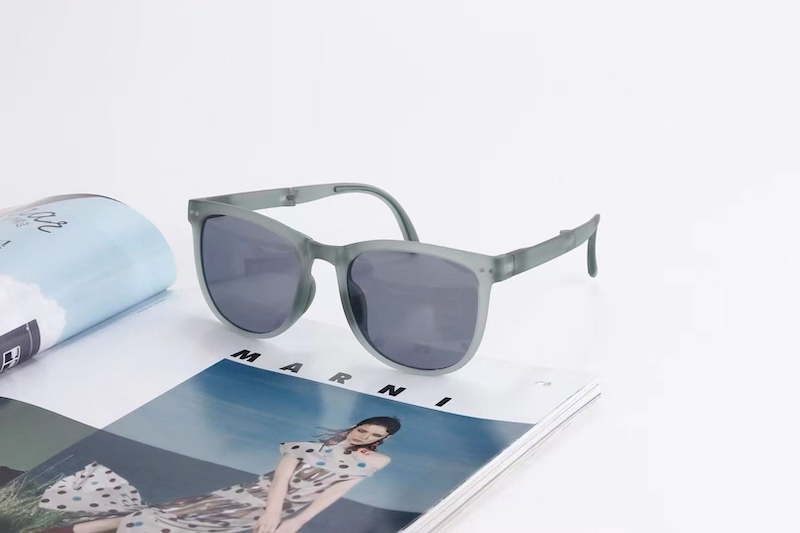
1. Select Products According to Your Target Customers
Before contacting a supplier, buyers should define their target market and product positioning.
Classic Eyeglasses are suitable for everyday optical collections, where timeless designs, comfortable fitting, and consistent specifications are important.
Fashion Eyeglasses offer more opportunities for product differentiation through distinctive shapes, colors, and design details. Brands should confirm whether the manufacturer can support customized styles and private-label requirements.
For buyers targeting active consumers, Sport Eyeglasses provide another product direction. Frame structure, weight, fit, and intended application should be clearly discussed before production.
2. Compare Metal and Plastic Sport Optical Frames
Material selection is an important purchasing decision for sports-inspired optical collections.
A Metal Sport Optical Frame may be suitable for buyers seeking structured designs and refined finishes. Important factors include frame weight, nose pad construction, hinge quality, and surface treatment.
A Plastic Sport Optical Frame offers different possibilities in frame shapes, colors, and styling. Buyers should pay attention to material specifications, frame thickness, structural strength, and wearing comfort.
The best option depends on the intended application, customer preferences, and product positioning. Requesting samples is a practical way to evaluate the actual construction and finish.
3. Confirm Product Specifications Before Bulk Orders
One common sourcing risk is the difference between approved samples and mass-produced products.
To avoid misunderstandings, buyers should confirm important details before placing an order, including:
Frame dimensions and material specifications
Colors and surface finishes
Logo position and branding requirements
Hinge and component construction
Packaging specifications
Inspection criteria and applicable testing requirements
For products intended for the EU, UK, or US markets, buyers should also clarify relevant regulatory and documentation requirements before production.
4. Work with a Manufacturer That Supports Customization
For private-label eyewear brands, OEM and ODM capabilities can make a significant difference.
A suitable manufacturing partner should be able to communicate about design references, material options, customized colors, logos, and packaging requirements.
At AGADA Eyeglasses, our product portfolio includes Classic Eyeglasses, Fashion Eyeglasses, Sport Eyeglasses, Metal Sport Optical Frame, and Plastic Sport Optical Frame.
We welcome inquiries from overseas brands, wholesalers, and optical distributors looking for customized eyewear products.
5. Build a Long-Term Eyewear Supply Relationship
A reliable sourcing relationship requires clear communication at every stage, from product selection and sampling to production, inspection, and shipment.
Rather than focusing only on the lowest quotation, buyers should evaluate whether a supplier can understand their requirements, maintain agreed specifications, and support future product development.
Looking for an eyewear manufacturing partner? Contact AGADA Eyeglasses to discuss your product ideas, target quantities, and OEM/ODM requirements.