


How to Build an Eyewear Collection for the European Optical Market
Building an eyewear collection for the European optical market requires more than selecting attractive frame designs. Brands, importers, and optical distributors need a balanced product range that reflects local customer preferences, retail positioning, and different usage requirements.
A well-planned collection should include everyday optical frames, fashion-oriented designs, sports eyewear, and products for younger consumers. For buyers working with an OEM or ODM manufacturer, the key is to create a consistent collection while offering enough variety to serve different market segments.
1. Start with Your Target Customer and Sales Channel
Before selecting products, define the customers you want to reach. Independent optical stores, eyewear chains, fashion retailers, and online sellers may have different requirements.
For example, optical retailers may prioritize practical frame designs, fitting options, and consistent quality. Fashion retailers may focus more on seasonal colors, distinctive shapes, and brand identity.
Buyers should also consider their target price range, expected order volume, and product positioning. These decisions help determine how many styles, materials, and colors should be included in the first collection.
2. Build a Strong Core Range of Classic Eyeglasses
Classic Eyeglasses can provide a stable foundation for an eyewear collection. Timeless shapes, versatile colors, and practical frame proportions are suitable for customers looking for everyday optical products.
Buyers can consider different frame materials, including acetate and metal options, depending on their target positioning. A carefully selected range of core styles can support repeat orders and reduce the need to frequently replace basic designs.
3. Add Fashion Eyeglasses to Differentiate Your Brand
Fashion Eyeglasses help brands develop a more recognizable product identity. Buyers can explore distinctive frame shapes, color combinations, material contrasts, and decorative details.
For European retail collections, it is useful to balance trend-oriented designs with commercially practical options. A collection made entirely of bold statement frames may limit its appeal, while a range with no visual differentiation may struggle to stand out.
The goal is to create a clear design direction without making the collection overly complicated.
4. Include Sport Eyeglasses for Active Consumers
Sport Eyeglasses can expand a collection beyond traditional optical retail products. Buyers should consider the intended activities, frame stability, fit, lens specifications, and overall wearing comfort.
Different sports and outdoor applications may require different product features. If the eyewear is marketed for protective use, buyers must identify the relevant European requirements and obtain appropriate test documentation before making performance claims.
5. Develop Dedicated Kids Eyewear Categories
Children's eyewear gives brands an opportunity to serve a distinct customer group. Kids Optical Frame collections should consider age-appropriate sizing, lightweight construction, comfortable fitting, and durable assembly.
For Kids Sunglasses, buyers should pay attention to lens specifications, UV protection, frame fit, and applicable European product safety requirements.
Rather than simply shrinking adult designs, brands should develop products that address children's specific fitting and usage needs.
6. Keep Materials, Colors, and Branding Consistent
A successful collection should feel like one brand rather than a group of unrelated products. Buyers can establish a consistent color direction, material selection, logo placement, and packaging style across different categories.
This does not mean every product needs the same appearance. Instead, each category should have its own identity while maintaining recognizable brand elements.
7. Plan Sampling and Production in Stages
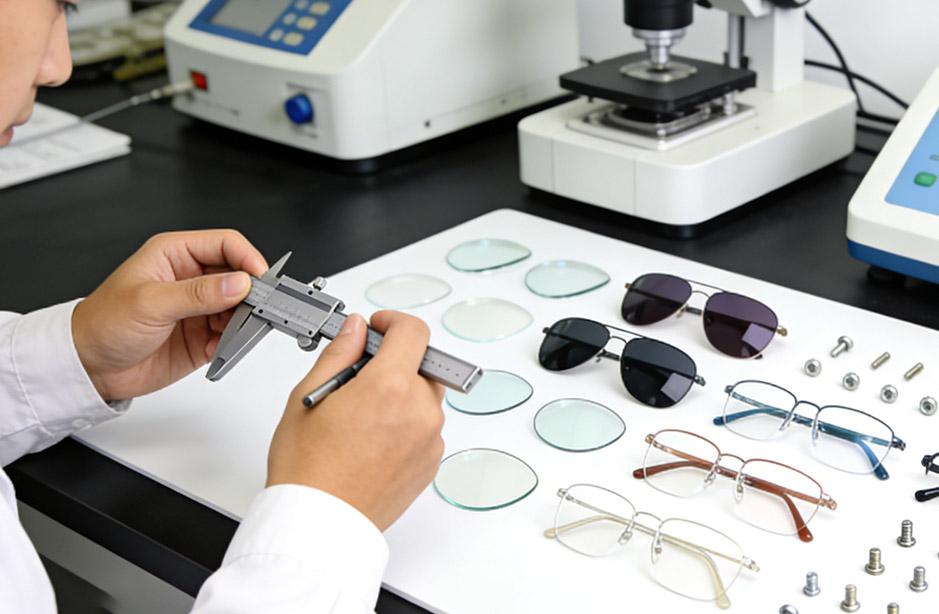
Before confirming bulk production, select representative styles from each category for sample evaluation. Review dimensions, materials, finishing, hinges, lens specifications, and packaging.
Once the samples are approved, document the final specifications and quality requirements. Buyers should also confirm minimum order quantities, production lead times, and customization options with the manufacturer.
At AGADA Eyeglasses, buyers can discuss customized eyewear development across classic, fashion, sport, and children's categories. Share your target customer profile, design references, material preferences, and estimated order quantities to develop a collection suited to your European market strategy.