


What Buyers Should Check During Eyewear Sample Approval
Eyewear sample approval is an important step before placing a bulk production order. For brands, importers, and wholesalers, an approved sample serves as a reference for product appearance, dimensions, materials, and workmanship.
A frame may look attractive in product photos, but the physical sample can reveal details that are difficult to evaluate online. Checking these details before mass production helps buyers reduce misunderstandings and maintain product consistency.
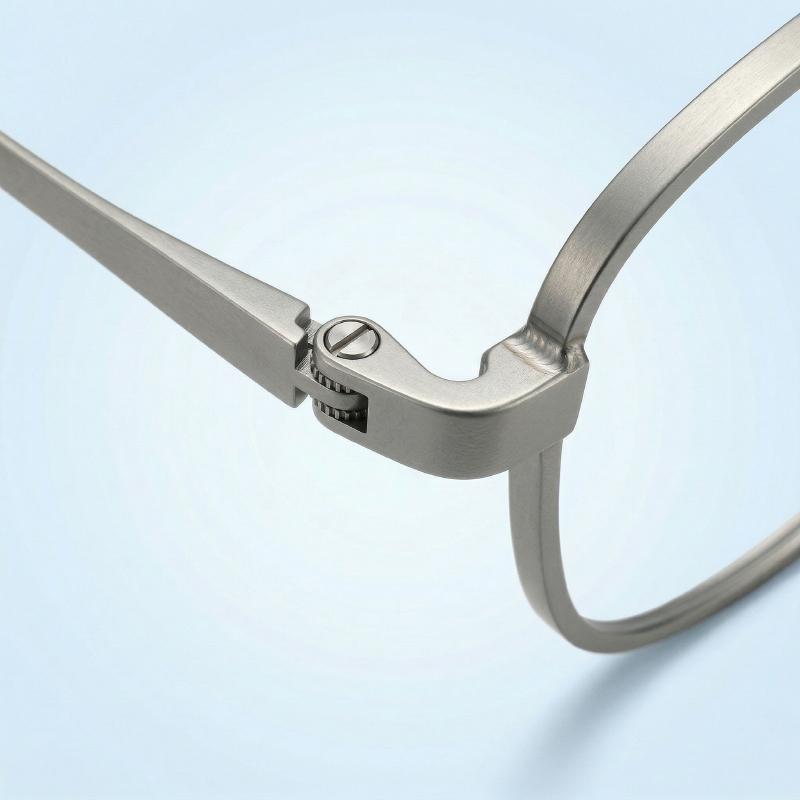
1. Confirm the Frame Design and Dimensions
Start by comparing the sample with the original design, technical drawing, or reference product. Check the frame shape, lens size, bridge width, temple length, and overall proportions.
Pay attention to symmetry between the left and right sides. The temples should align properly, and the frame should maintain its intended shape when placed on a flat surface.
For Classic Eyeglasses, buyers should focus on balanced proportions, comfortable fitting, and consistency with the approved design. Any changes to dimensions should be confirmed before production.
2. Inspect Materials and Surface Finishing
Check whether the sample uses the agreed frame material and whether the surface finish matches the product specification.
For acetate frames, inspect polishing, edge treatment, color distribution, and transparency. For metal frames, examine surface coating, soldering areas, and component connections.
For Fashion Eyeglasses, decorative details, color combinations, and finishing quality are especially important because they contribute directly to the collection's appearance.
Buyers should also compare the sample with approved color references under consistent lighting conditions.
3. Test Hinges, Temples, and Frame Assembly
Open and close the temples several times to check whether the hinges move smoothly and consistently. Look for loose screws, uneven resistance, unwanted movement, or visible gaps.
Check the connection between the front frame and temples, as well as the alignment of nose pads and other components where applicable.
For Sport Eyeglasses, evaluate the stability of the frame, temple fit, and overall construction according to the intended activity. A sample should be assessed as a complete product rather than judging the frame material alone.
4. Check Lens Quality and Product Specifications
Lens inspection should cover more than appearance. Buyers should confirm the lens material, color, optical requirements, coating options, and other agreed specifications.
Check for visible scratches, bubbles, unwanted marks, or inconsistent tint. For sunglasses, confirm the specified UV protection and request relevant test documentation where required.
If the product is intended for a particular market or application, confirm the applicable standards before approving the sample. Do not assume that every lens meets the same optical, UV, or impact requirements.
5. Evaluate Children's Eyewear Requirements
For Kids Optical Frame, buyers should pay particular attention to frame weight, fit, smooth edges, hinge construction, and the suitability of the design for the intended age group.
For Kids Sunglasses, inspect lens fitting, frame stability, UV protection specifications, and applicable product safety requirements.
Children's products may be subject to additional requirements depending on the destination market. Buyers should identify these requirements early rather than waiting until bulk production is complete.
6. Confirm Logo, Packaging, and Branding Details
Sample approval should also include customized branding elements. Check logo position, size, color, printing or engraving quality, and consistency with the approved artwork.
If the order includes customized cases, cleaning cloths, labels, or retail packaging, review these items before production as well.
Small differences in branding and packaging can affect the final presentation of a private label collection.
7. Create a Final Sample Approval Record
Once the sample meets expectations, buyers should keep a clearly identified approved sample and document the confirmed specifications.
The approval record should include:
Final frame design and dimensions
Material and color references
Lens specifications
Hinge and assembly requirements
Logo artwork and position
Packaging details
Agreed quality inspection criteria
Any changes after approval should be documented and confirmed by both parties. This helps prevent differences between the approved sample and the delivered bulk order.
At AGADA Eyeglasses, buyers can discuss OEM and ODM product development across different eyewear categories. Send your design drawings, reference samples, branding requirements, and target specifications to clarify the sample approval process before moving forward with bulk production.