


How to Check Acetate Frame Finishing and Surface Quality
For eyewear brands and wholesale buyers, the quality of acetate eyeglass frames is not determined by material selection alone. Surface finishing has a direct impact on product appearance, perceived value, and consistency across a collection.
Even when two frames use similar acetate materials, differences in polishing, edge treatment, color distribution, and assembly can create noticeable differences in the finished products. Before approving samples or placing a bulk order, buyers should understand how to evaluate these details.
1. Check Surface Smoothness and Polishing
A well-finished acetate frame should have a smooth, even surface without obvious scratches, rough patches, or unwanted marks.
Inspect the front frame and temples under consistent lighting. Move the frame from different angles to identify uneven gloss, polishing marks, or surface imperfections. Pay particular attention to areas around the bridge, corners, and temple ends.
For Classic Eyeglasses, a clean and consistent polished surface helps maintain a refined appearance. Buyers should check whether the finish is uniform across the entire frame rather than focusing only on the front.
2. Inspect Edges and Frame Contours
Edge finishing is another important indicator of manufacturing quality. Rough edges, sharp corners, uneven bevels, or visible machining marks can affect both appearance and wearing comfort.
Check the following areas:
Outer edges of the front frame
Lens openings and surrounding rims
Bridge and nose contact areas
Temple edges and tips
Corners and transitions between different frame sections
For Fashion Eyeglasses, distinctive shapes and thicker acetate designs often make edge finishing more visually noticeable. Buyers should confirm that the contours are consistent with the approved design and that decorative details are properly finished.
3. Evaluate Color and Pattern Consistency
Acetate frames are available in solid colors, transparent finishes, and patterned designs such as tortoiseshell effects. Color variation can be part of the intended design, but unintended differences between matching components should be identified.
When inspecting a sample, compare the left and right temples, front frame, and other visible sections. Check whether the color and pattern distribution match the approved reference.
For bulk orders, buyers should establish an acceptable color range and use an approved sample as the reference. This is especially important when a collection includes multiple colors or repeated orders of the same model.
4. Check Transparency and Surface Appearance
Transparent and translucent acetate designs require additional attention. Buyers should look for visible particles, cloudy areas, unwanted discoloration, or inconsistent transparency.
Under suitable lighting, inspect whether the material appearance is consistent across the front frame and temples. Also check whether the edges have been polished properly, as poorly finished edges can affect the overall visual presentation.
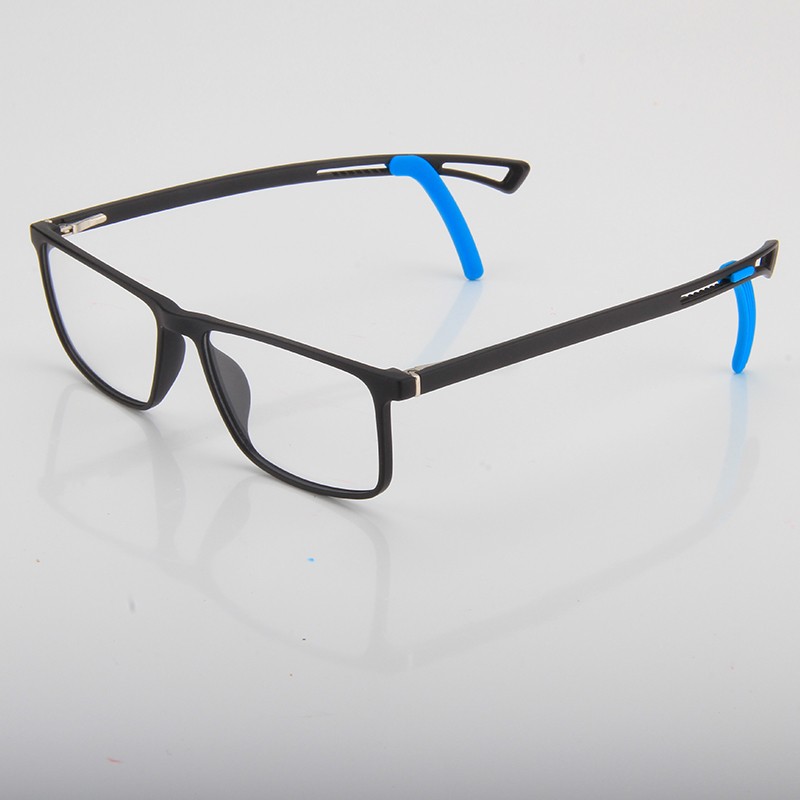
For Sport Eyeglasses, surface quality should be evaluated together with frame shape, material suitability, and the intended wearing conditions. A smooth finish alone does not establish impact resistance or sports performance.
5. Inspect Assembly and Small Details
Surface quality should also be checked around assembled components. Look for visible gaps, uneven transitions, glue marks, scratches around hinge areas, and inconsistent fitting between the frame and temples.
For a Kids Optical Frame, pay particular attention to smooth edges, comfortable contact areas, and small components that could become loose. For Kids Sunglasses, inspect the frame finish alongside lens fitting and the applicable product safety and UV protection requirements for the destination market.
6. Establish Finishing Standards Before Bulk Production
A practical quality control process starts with a confirmed reference sample. Buyers should document the expected surface finish, gloss level, edge treatment, color appearance, and acceptable defect limits.
During production inspection, check samples from different production batches rather than relying on a single finished frame. Any visible differences should be recorded and reviewed before shipment.
When developing a new acetate eyewear collection, provide the manufacturer with reference images, color samples, frame drawings, and finishing preferences. Clear specifications help reduce misunderstandings and improve consistency between sample approval and mass production.
At AGADA Eyeglasses, buyers can discuss customized frame development across different product categories. Contact the team with your design references, target colors, and order requirements to evaluate suitable finishing details for your collection.