
Sunglasses Lens Impact Resistance Testing Explained
Lens impact resistance is an important consideration when developing sunglasses and optical eyewear. For importers, wholesalers, and eyewear brands, understanding how lenses respond to impact helps reduce product quality risks and ensures that the selected products meet the requirements of their intended markets.
However, impact resistance should not be confused with scratch resistance, UV protection, or general lens durability. Each property requires different evaluation methods and supporting evidence.
1. What Is Sunglasses Lens Impact Resistance?
Impact resistance refers to a lens's ability to withstand a specified mechanical impact without breaking or creating dangerous fragments under defined test conditions.
The actual performance depends on several factors, including lens material, thickness, shape, manufacturing quality, and the applicable testing standard.
Common sunglasses lens materials include polycarbonate, CR-39, and other optical plastics. These materials have different physical properties, so buyers should not assume that all lenses provide the same level of impact protection.
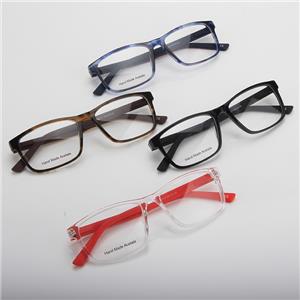
For Classic Eyeglasses, buyers should first identify the intended product application and determine whether ordinary optical lens requirements or additional impact-related requirements apply.
2. Common Lens Impact Testing Methods
Impact testing procedures vary according to the product category and destination market. Some standards use a specified projectile, impact energy, or drop height to evaluate lens performance.
During a test, the lens or complete eyewear product is positioned according to the relevant procedure. The impact is then applied under controlled conditions, and the result is evaluated against the standard's acceptance criteria.
For buyers, important questions include:
Is the test conducted on the lens alone or the complete eyewear?
What impact method and energy level are used?
Is the lens tested in its actual frame configuration?
What constitutes a passing or failing result?
Is the test report relevant to the exact product model?
A general statement such as "impact resistant" is not sufficient evidence of compliance. Buyers should request test documentation that identifies the product, testing method, and results.
3. How Lens Material Affects Impact Performance
Lens material is one of the key factors influencing impact performance.
Polycarbonate lenses are widely used in applications where impact resistance is an important consideration. CR-39 lenses are commonly used in general-purpose eyewear, but their performance should be assessed against the requirements of the intended application.
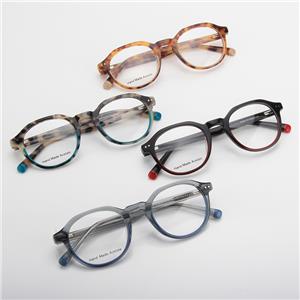
For Fashion Eyeglasses, lens selection should balance optical clarity, appearance, thickness, and the required performance level. Buyers should not rely on material names alone when approving a finished product.
For Sport Eyeglasses, impact performance deserves closer attention because some sporting activities involve greater risks from flying objects or accidental contact. The complete eyewear design, including frame retention and lens coverage, should be evaluated according to the intended sport and applicable protective eyewear standards.
4. Special Considerations for Children's Eyewear
Children's eyewear requires careful product evaluation because fit, frame construction, lens performance, and age-related safety requirements all matter.
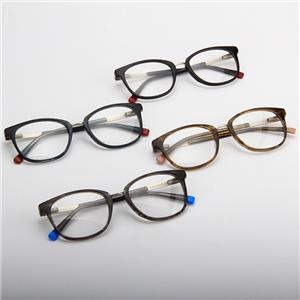
For a Kids Optical Frame, buyers should confirm that the selected lenses and complete product meet the relevant requirements for the destination market and intended use.
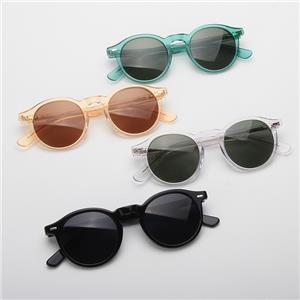
For Kids Sunglasses, impact resistance and UV protection must be evaluated separately. A lens that offers UV protection is not automatically impact resistant, and an impact-resistant lens does not automatically provide adequate UV protection.
Buyers should also check lens retention, frame condition, edges, and the suitability of the product for its intended age group.
5. Standards and Test Reports Buyers Should Understand
Different markets apply different standards to sunglasses and protective eyewear. For example, ISO 12312-1 covers general-use sunglasses and related requirements, while ANSI Z87.1 addresses occupational and educational personal eye and face protection. These standards serve different purposes and should not be treated as interchangeable.
Before placing a bulk order, buyers should confirm:
Which standard applies to the product and target market.
Whether the product is classified as general-use sunglasses or protective eyewear.
Whether the test report covers the actual lens and frame combination.
Whether the report matches the final product specification.
Whether additional UV transmittance or optical quality tests are required.
6. What to Confirm Before Bulk Production
When sourcing sunglasses or optical frames, provide the manufacturer with your target market, intended application, preferred lens material, and required testing standards.
Ask for relevant test reports and confirm whether they cover the final product configuration. If a product is intended for sports or other higher-risk applications, arrange appropriate testing before making performance claims or approving mass production.
At AGADA Eyeglasses, buyers can discuss product development requirements across different eyewear categories. Share your product specifications, lens preferences, and destination market requirements to clarify the appropriate evaluation process before bulk production.