


How to Develop Custom Eyeglasses for Your Private Label Brand
Launching a private label eyewear collection involves more than selecting attractive frame designs. Brands need to consider target customers, product positioning, material selection, frame specifications, sample development, and production consistency.
For eyewear startups, established brands, and optical distributors, working with an experienced manufacturer can make the product development process more structured. A clear development plan also helps reduce unnecessary sample revisions and avoid misunderstandings before bulk production.
Here are six important steps to consider when developing custom eyeglasses for your private label brand.
1. Define Your Brand Positioning and Target Market
Before selecting frames, determine who your products are designed for. A collection targeting fashion-conscious consumers may require different shapes, colors, and materials from one designed for everyday optical use.
Consider the following questions:
Who are your primary customers?
Which age groups and consumer segments do you want to reach?
Will your collection focus on everyday eyewear, fashion, sports, or children's products?
What retail price range are you targeting?
Which markets will you sell in?
These decisions help establish a consistent product direction and give your manufacturing partner a clearer understanding of your requirements.
2. Plan the Right Eyewear Product Collection
A well-planned collection should offer enough variety to serve different customer preferences without making inventory management unnecessarily complicated.
Depending on your brand positioning, you can develop several product categories:
Classic Eyeglasses
Classic styles are suitable for everyday optical collections. Buyers can explore different frame shapes, colors, and material combinations to create products with long-term commercial appeal.
Fashion Eyeglasses
Fashion collections allow brands to experiment with contemporary shapes, distinctive colors, decorative details, and seasonal design directions.
Sport Eyeglasses
Sport eyewear requires attention to frame stability, fit, material characteristics, and the intended activity. Product specifications should reflect the actual use environment.
Kids Optical Frame
Children's optical frames should consider appropriate sizing, comfortable fit, structural design, and material selection. Buyers should also confirm applicable safety and compliance requirements in their destination markets.
Kids Sunglasses
Children's sunglasses combine frame design with lens performance requirements. Buyers should confirm lens specifications, UV protection claims, and relevant testing documentation before placing bulk orders.
Planning these categories together can help private label brands build a more complete eyewear portfolio.
3. Confirm Frame Designs, Materials, and Specifications
Once the product direction is established, the next step is to define the technical details.
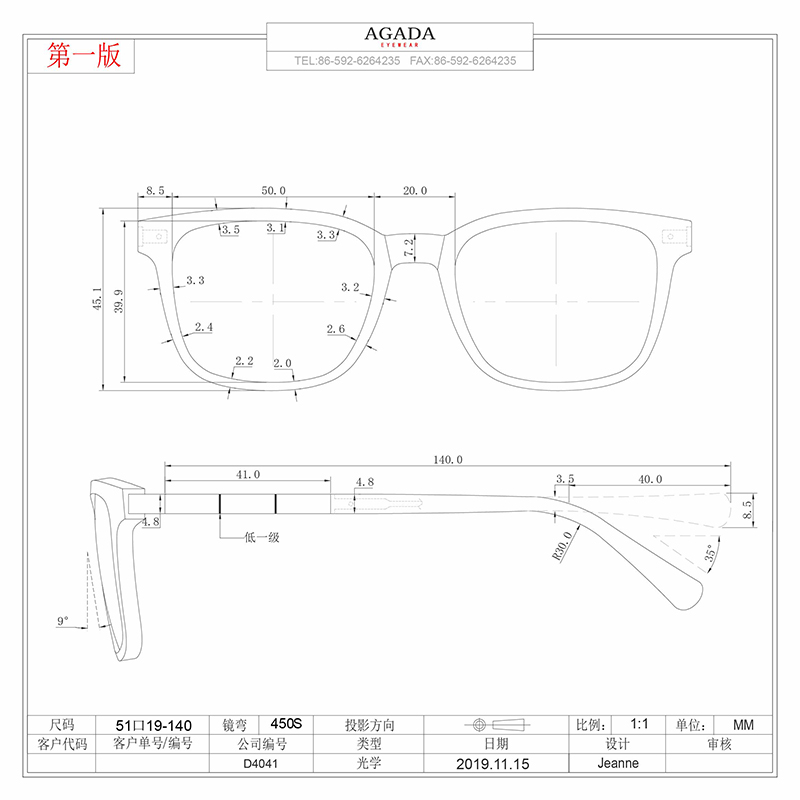
Buyers should prepare reference images, sketches, existing samples, or technical drawings wherever possible. Important specifications may include:
Frame front width and lens dimensions
Bridge width and temple length
Frame material and color
Surface finish and decorative details
Hinge type and component requirements
Logo position and branding method
Lens requirements and intended application
Packaging and labeling specifications
Material selection should match the product's design, target price, and expected use. For example, acetate, plastic, and metal frames offer different appearance and construction possibilities.
Clear specifications help manufacturers evaluate feasibility and provide more accurate development feedback.
4. Develop and Evaluate Pre-Production Samples
Sample development is one of the most important stages in private label eyewear manufacturing.
A sample allows buyers to evaluate the actual product rather than relying entirely on design images. During this stage, review the frame's appearance, dimensions, fit, finishing, and component assembly.
A practical sample evaluation checklist includes:
Does the finished frame match the approved design?
Are the frame dimensions and proportions correct?
Is the surface smooth and free from visible defects?
Are the hinges and temples properly assembled?
Are the colors and logo details consistent with the specifications?
Does the product meet the intended market requirements?
If adjustments are needed, provide clear feedback and reference images. Approving a final sample before bulk production helps establish a shared quality standard.
5. Establish Quality Requirements Before Mass Production
Product consistency becomes especially important when an order includes multiple styles, colors, or sizes.
Private label buyers should agree on inspection criteria before production begins. These may cover material appearance, frame dimensions, color consistency, assembly, logo application, and packaging.
For specialized products, such as children's eyewear and sunglasses, buyers should also identify the applicable testing and documentation requirements for their destination markets.
A documented specification sheet and approved reference sample provide a practical basis for production checks and final inspection.
6. Confirm Packaging, Branding, and Delivery Details
Private label development does not end with the frame itself. Packaging and branding also influence how the product is presented to distributors and end customers.
Depending on the project, buyers may need to confirm:
Brand logos on frames and accessories
Eyewear cases and cleaning cloths
Product labels and packaging artwork
Barcode and product identification requirements
Carton specifications and shipping marks
Order quantities and delivery schedules
Confirming these details early helps coordinate production and packaging more efficiently.
Develop Your Private Label Eyewear Collection with AGADA
Successful private label eyewear development depends on clear product positioning, practical design decisions, detailed specifications, and consistent quality requirements.
AGADA Eyeglasses provides OEM/ODM cooperation for international eyewear buyers. From product concepts and material selection to sample development and quality control, the development process can be organized around your brand's product requirements.
Whether you are launching a classic optical collection, expanding into fashion and sports eyewear, or developing products for children, clear communication with your manufacturing partner is essential.
Contact AGADA Eyeglasses to discuss your private label project and start developing your next eyewear collection.