
How to Evaluate Quality and Craftsmanship in B2B Orders of Classic Eyeglasses
For optical wholesalers and brand owners, stocking classic eyeglasses is the cornerstone of a high-margin inventory. Because modern consumers view timeless eyewear as daily essentials rather than occasional fashion statements, these frames face rigorous real-world wear. For B2B buyers, choosing the right OEM/ODM partner is less about reinventing shapes and more about ensuring structural precision.
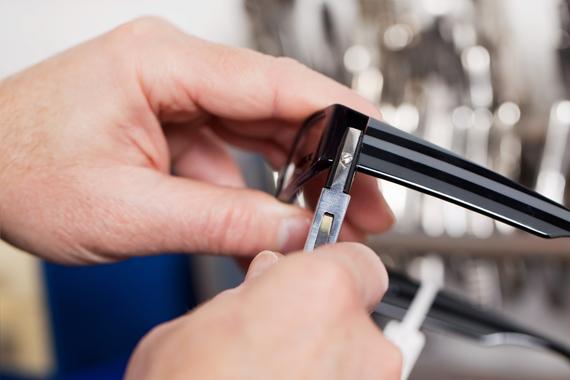
At Xiamen Agada Optical Co., Ltd. (agadaeyeglasses.com), we specialize in manufacturing high-precision optical frames for international distributors. Based on over two decades of export experience, here is how professional buyers evaluate quality when sourcing core optical lines.
1. Material Density and Surface Finishing
High-performing classic eyeglass frames rely on premium raw materials. When working with hand-made acetate, cellulose purity determines whether a frame retains its luster and shape after months of temperature changes. Superior acetate undergoes multi-stage tumbling and hand polishing to eliminate micro-burrs along the bridge and temple edges.
For metal and combination designs, electroplating thickness and protective topcoats prevent premature tarnishing from sweat and daily friction, ensuring the product looks brand-new on optical display racks.
2. Structural Balance and Hinge Integrity
The mechanical heart of classic glasses frames lies in the hinge assembly. Inferior screws loosen quickly, causing temples to sag and misalignment at the optics counter.
To maintain consistent opening resistance and temple tension, look for factories that utilize barrel hinges anchored securely into the acetate block or reinforced soldering on metal fronts. Robust spring hinges are especially critical for wide-fitting models, as they accommodate varying head widths while absorbing daily stress without snapping.
3. Ergonomics and Fit for Classic Mens Glasses
Designing classic mens glasses requires strict attention to weight distribution. Men’s frames often feature larger lens apertures—such as 55mm to 58mm—which can easily become front-heavy if paired with glass or thick prescription lenses.
Experienced manufacturers counteract this by tapering the temple arms near the ears and engineering ergonomic nose bridges (or adjustable titanium nose pads). This balance prevents slipping down the nose during long workdays or active wear.
4. Quality Standards in Classic Eyeglasses Frames Men's Sourcing
To minimize return rates and warranty claims in retail stores, buyers should ensure their supplier enforces strict batch-testing protocols. Essential quality checks for classic eyeglasses frames men's collections include:
Temple Flex Testing: Simulating thousands of open-close cycles to confirm hinge stability.
Sweat and Salt Spray Resistance: Testing coatings against oxidation and skin reaction.
Dimensional Precision: Ensuring strict tolerances on lens grooves so opticians can glaze lenses rapidly without frame distortion.
By focusing on internal engineering rather than just surface appearance, optical brands can build a resilient core catalog that drives repeat wholesale orders. Partner with agadaeyeglasses.com to customize and manufacture your next classic optical collection with certified quality assurance.