


What Information Should Buyers Prepare for an Eyewear OEM Project
Starting an eyewear OEM project requires more than sending a product picture to a manufacturer. To evaluate a design, estimate production requirements, and develop accurate samples, manufacturers need clear information about the product, materials, dimensions, branding, and order expectations.
For eyewear brands, wholesalers, and optical distributors, preparing these details before contacting a supplier can make communication more efficient and reduce unnecessary revisions.
Whether you are launching a new collection or expanding an existing product line, here are seven types of information to prepare before starting an eyewear OEM project.
1. Product Design and Reference Images
The first step is to communicate what you want the finished eyewear to look like.
Buyers can provide technical drawings, 3D files, sketches, product photographs, or physical reference samples. If you do not have a complete design, reference images can still help manufacturers understand your preferred style.
Useful materials include:
Front, side, and temple design references
Frame shape and color inspiration
Existing products with similar construction
Technical drawings or CAD files, if available
Reference samples for dimensions and finishing
The more clearly you communicate the design direction, the easier it is for the manufacturer to evaluate the project and identify potential production requirements.
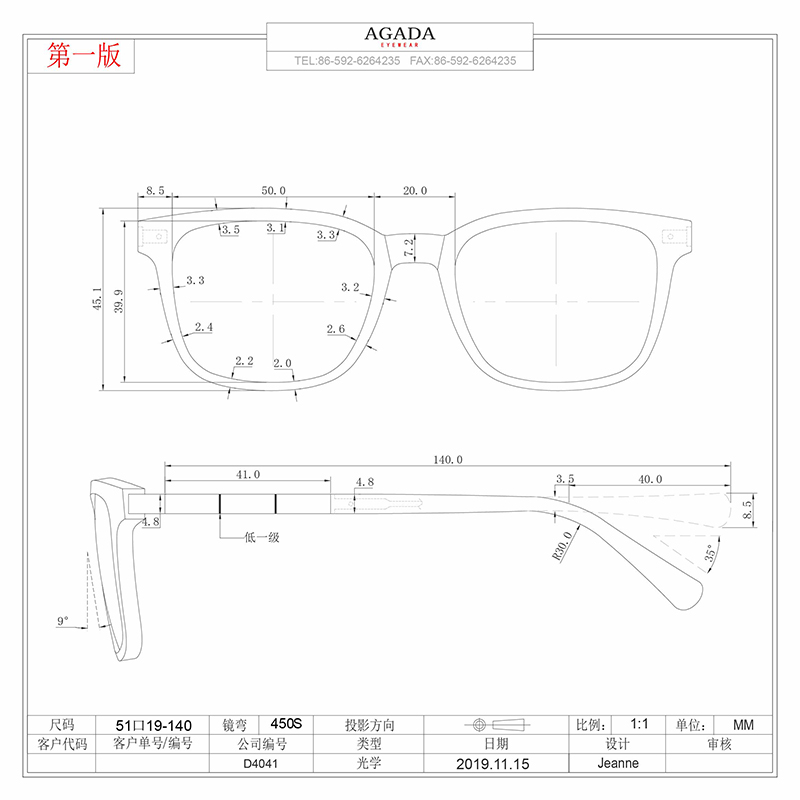
2. Frame Dimensions and Product Specifications
Product dimensions are essential for accurate sample development. A photograph alone may not provide enough information to reproduce the intended frame proportions.
Buyers should prepare available measurements, such as:
Lens width
Bridge width
Temple length
Frame front width
Lens height
Overall frame dimensions
You should also specify whether the product is designed for adults or children, the intended fit, and any special structural requirements.
If you are developing an existing frame design, an approved reference sample can help clarify details that are difficult to communicate through images alone.
3. Material and Color Requirements
Material selection affects the frame's appearance, construction, weight, and price positioning.
Depending on the design, buyers may consider acetate, plastic, metal, or other suitable frame materials.
When discussing materials with a manufacturer, prepare the following information:
Preferred material or material reference
Target frame weight, if applicable
Color codes or physical color samples
Surface finish requirements
Special texture or decorative effects
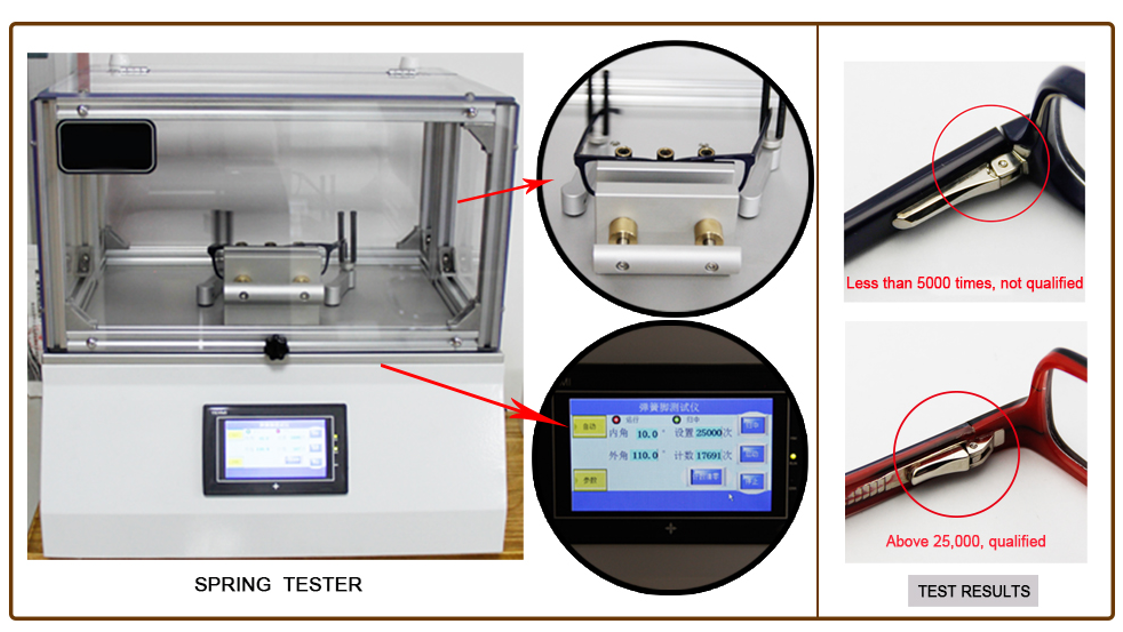
Component and hinge preferences
For example, a fashion-oriented collection may require distinctive colors and surface finishes, while a lightweight everyday collection may prioritize frame weight and wearing comfort.
If you are unsure which material is suitable, provide your target design and price positioning so the manufacturer can discuss possible options.
4. Logo Artwork and Branding Details
Private label projects require clear branding instructions. Buyers should prepare their logo files and explain how the brand identity should appear on the finished eyewear.
Important details include:
Logo artwork, preferably in vector format
Logo dimensions and preferred colors
Placement on the frame or temples
Preferred application method, if known
Reference images showing the desired appearance
Possible logo applications include printing, engraving, and decorative metal elements, depending on the frame material and design.
Providing accurate artwork and placement references helps reduce logo-related sample revisions.
5. Lens and Functional Requirements
Lens requirements should be clearly communicated, particularly for specialized eyewear products.
For prescription optical frames, buyers should clarify whether the products will be supplied as frames only or with lenses.
For sunglasses, provide information about lens material, tint, optical specifications, and UV protection requirements. Any performance or protection claims should be supported by appropriate testing documentation.
For sport eyewear, explain the intended activity and relevant functional requirements. For children's eyewear, confirm applicable safety and product requirements in the destination market.
These details help manufacturers understand the product application and identify the specifications that need further evaluation.
6. Packaging and Accessory Requirements
Packaging should be discussed before production rather than after the frame design is finalized.
Depending on your brand strategy, you may need customized:
Eyewear cases
Cleaning cloths
Outer packaging boxes
Product labels and barcodes
Instruction or care cards
Shipping cartons and carton markings
Buyers should provide logo artwork, packaging references, dimensions, and any required labeling information.
For retail brands, packaging consistency is an important part of the overall product presentation.
7. Order Quantity, Target Price, and Delivery Expectations
Commercial information helps manufacturers evaluate the project and prepare a more relevant quotation.
Before requesting a quotation, buyers should clarify:
Estimated order quantity
Number of styles and color variations
Target purchasing price or budget range
Sample quantity requirements
Expected order schedule
Destination country or market
Shipping and packaging expectations
If you are developing several styles, indicate the estimated quantity for each style and color. This makes it easier to evaluate the overall order structure.
Minimum order quantities, sample charges, production lead times, and payment terms should be confirmed directly with the manufacturer because they vary according to product design and customization requirements.
OEM Preparation Requirements for Different Eyewear Categories
Different eyewear categories require different product information. Buyers should adjust their OEM brief according to the intended application.
Classic Eyeglasses
Prepare frame dimensions, preferred materials, color references, hinge requirements, logo placement, and lens specifications. Everyday optical collections often benefit from clear sizing and fit information.
Fashion Eyeglasses
Provide design references, target colors, surface finish preferences, decorative details, and branding instructions. A collection plan showing different styles can help communicate the intended visual direction.
Sport Eyeglasses
Specify the intended sport or activity, frame structure, fit requirements, material preferences, and relevant functional expectations. Any performance claims should be supported by appropriate product testing.
Kids Optical Frame
Prepare age or size ranges, frame dimensions, material preferences, fit requirements, and destination-market safety considerations. Children's products should be evaluated against the applicable requirements before production.
Kids Sunglasses
Provide frame sizing, lens specifications, tint preferences, UV protection requirements, logo details, and packaging information. Confirm the relevant testing and documentation needed for your target market.
A Practical Eyewear OEM Project Checklist
Before sending an inquiry to an eyewear manufacturer, use this checklist to organize your project information.
| Information | What to Prepare |
|---|---|
| Product design | Drawings, images, or reference samples |
| Frame dimensions | Lens, bridge, temple, and frame measurements |
| Materials | Material preferences and color references |
| Branding | Logo artwork and placement instructions |
| Lens requirements | Lens type and relevant specifications |
| Packaging | Case, cloth, box, and label requirements |
| Order details | Quantity, target price, and delivery expectations |
You do not need to have every detail finalized before making your first inquiry. However, providing the available information helps the manufacturer understand your project and identify what needs further discussion.
Start Your Eyewear OEM Project with AGADA
A well-prepared OEM brief creates a stronger foundation for product development. It helps manufacturers evaluate feasibility, discuss material options, develop samples, and establish clear production requirements.
AGADA Eyeglasses works with international eyewear buyers on OEM/ODM projects across different product categories.
Whether you are developing Classic Eyeglasses, Fashion Eyeglasses, Sport Eyeglasses, Kids Optical Frame, or Kids Sunglasses, you can start by sharing your product drawings, reference images, logo artwork, and estimated order requirements.
Contact AGADA Eyeglasses to discuss your OEM project and receive guidance on the next steps for your custom eyewear development.