
Eyewear Inventory Planning Strategies for Brands and Wholesale Buyers
Managing eyewear inventory is an important part of running a successful optical retail or wholesale business. For eyewear brands and distributors in Europe and North America, the right product assortment can help attract different customer groups, respond to changing fashion trends, and maintain a balanced inventory.
Instead of purchasing products based only on appearance or short-term trends, buyers should develop a structured collection that considers customer demand, product positioning, and seasonal purchasing patterns.
1. Keep Classic Eyeglasses as a Core Product Category
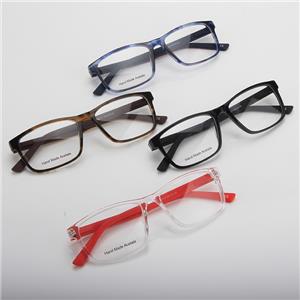
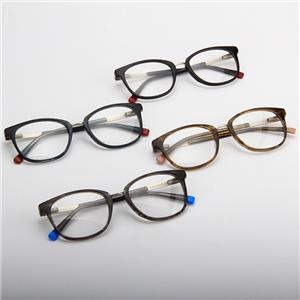
A stable product assortment starts with designs that remain relevant throughout the year. Classic Eyeglasses are a practical choice for retailers serving customers who need everyday prescription frames.
Simple shapes, neutral colors, and versatile designs can appeal to a broad customer base. Buyers can consider several frame sizes and material options to accommodate different preferences.
For wholesalers, maintaining a suitable range of classic styles can help create a consistent foundation for repeat orders and long-term retail supply.
2. Use Fashion Eyeglasses to Refresh Your Collection
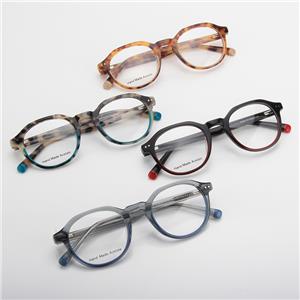
While classic products provide continuity, fashion-oriented products help retailers keep their collections fresh. Fashion Eyeglasses can introduce new shapes, colors, and design details that reflect changing consumer preferences.
For seasonal purchasing, buyers may consider smaller initial orders for new designs before expanding quantities based on sales performance. This approach can help reduce the risk of holding excessive inventory when a trend changes.
Retailers can also use fashion frames to create themed collections and strengthen their brand identity.
3. Expand into Sport Eyeglasses for Specialized Customers
Product diversification can help eyewear businesses reach customers beyond traditional optical retail. Sport Eyeglasses offer opportunities to serve consumers interested in active lifestyles and sport-inspired designs.
When planning this category, buyers should identify the intended application and customer group. Frame stability, fit, material, weight, and lens compatibility should all be considered.
A clear distinction between everyday sport-inspired optical frames and specialized performance eyewear is also important for accurate product positioning.
4. Compare Metal and Plastic Sport Optical Frames
Within the sport optical category, different materials provide opportunities to develop products for different preferences and price segments.
Metal Sport Optical Frame designs may appeal to consumers looking for a refined appearance combined with sport-inspired details. Buyers should evaluate material specifications, surface treatment, hinge construction, and overall frame weight.
Plastic Sport Optical Frame products offer more possibilities for varied colors, shapes, and styling. They can be considered for collections targeting casual, active, or everyday optical consumers.
Rather than stocking too many similar designs, wholesalers should compare product features and select options that serve clearly differentiated customer groups.
5. Consider Children's Eyewear as a Separate Market Segment
Children's eyewear requires its own inventory planning strategy. Kids Optical Frame products should be selected according to age groups, frame dimensions, comfort, and appropriate product specifications.
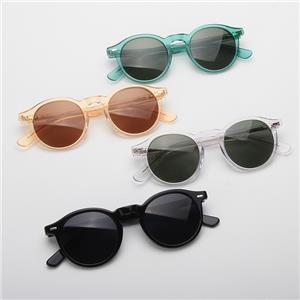
Kids Sunglasses can complement children's optical collections, particularly when retailers prepare for spring and summer demand. Buyers should verify lens specifications and applicable UV protection documentation before purchasing.
Keeping children's products organized as a separate category makes it easier to manage sizes, designs, and replenishment requirements.
6. Build an Inventory Plan Around Real Sales Data
An effective eyewear inventory strategy should be reviewed regularly. Buyers can analyze sales by frame category, color, material, price range, and customer segment.
Useful purchasing indicators include:
Best-selling and slow-moving product styles
Seasonal changes in customer demand
Stock turnover and replenishment frequency
Supplier lead times and minimum order quantities
Product quality and customer feedback
These indicators can help buyers make more informed decisions when adjusting future orders.
Develop a More Balanced Eyewear Product Portfolio
A competitive eyewear business needs both a reliable core collection and products that respond to changing market preferences. Combining classic, fashion, sport, and children's eyewear can help brands and distributors serve a wider customer base.
AGADA Eyeglasses provides eyewear products and OEM/ODM cooperation opportunities for international buyers. Whether you are expanding an existing wholesale collection or developing a new eyewear brand, selecting the right product categories is an important step toward more effective inventory planning.
Contact AGADA to discuss your eyewear sourcing requirements.