


From Eyewear Design to Finished Product A Custom Manufacturing
Developing a custom eyewear collection involves more than turning a design idea into a physical frame. Every stage, from material selection and engineering evaluation to sample approval and mass production, can influence the final product.
For eyewear brands, wholesalers, and optical distributors, understanding the manufacturing process helps set realistic expectations, communicate specifications clearly, and maintain product consistency.
At AGADA Eyeglasses, custom eyewear development can be organized into several key stages to help buyers move from an initial concept to a finished product.
1. Design Concept and Product Requirement Confirmation
Every custom eyewear project starts with a clear product direction.
Buyers may provide sketches, technical drawings, reference products, product images, or an existing frame sample. These materials help define the desired appearance and technical requirements.
At this stage, important details include:
Target customer group and market positioning
Frame shape, size, and proportions
Preferred materials and colors
Logo placement and branding requirements
Intended application and product category
Target price range and order expectations
For example, a fashion collection may focus on distinctive shapes and color combinations, while an everyday optical collection may prioritize versatile designs and comfortable fitting.
Clear communication at the beginning helps reduce misunderstandings during development.
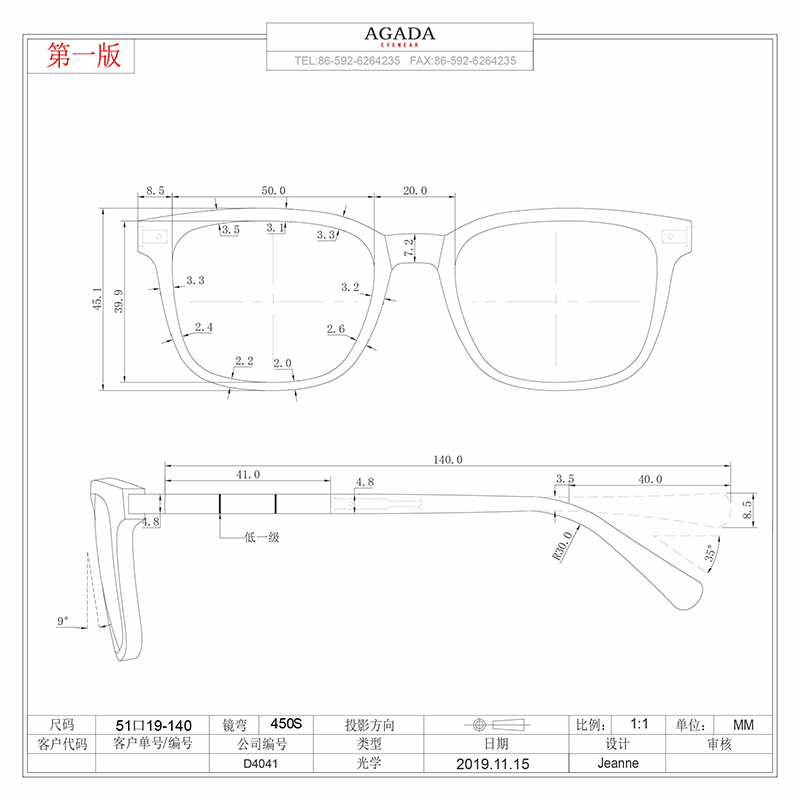
2. Material Selection and Technical Evaluation
After confirming the product concept, the next step is selecting suitable materials and evaluating the design requirements.
Different eyewear materials offer different characteristics in appearance, weight, flexibility, and construction. The selection should match the intended product design and target market.
The frame structure also needs to be considered, including the front frame, temples, hinges, nose area, and other components.
For custom projects, buyers should confirm key specifications such as frame dimensions, material details, surface finish, colors, and component requirements before proceeding to sample development.

3. Sample Development and Design Adjustments
Sample development allows buyers to evaluate how the design performs as a physical product.
A sample should be checked for appearance, dimensions, fit, assembly, and finishing. If the product does not fully match the original requirements, adjustments can be discussed before final approval.
Typical evaluation points include:
Frame shape and overall proportions
Lens opening and frame dimensions
Temple alignment and hinge movement
Surface polishing and color consistency
Logo position and decorative details
Overall fit and wearing comfort
For brands developing multiple styles, it is useful to establish a consistent sample approval process. Approved samples can serve as references for subsequent production.
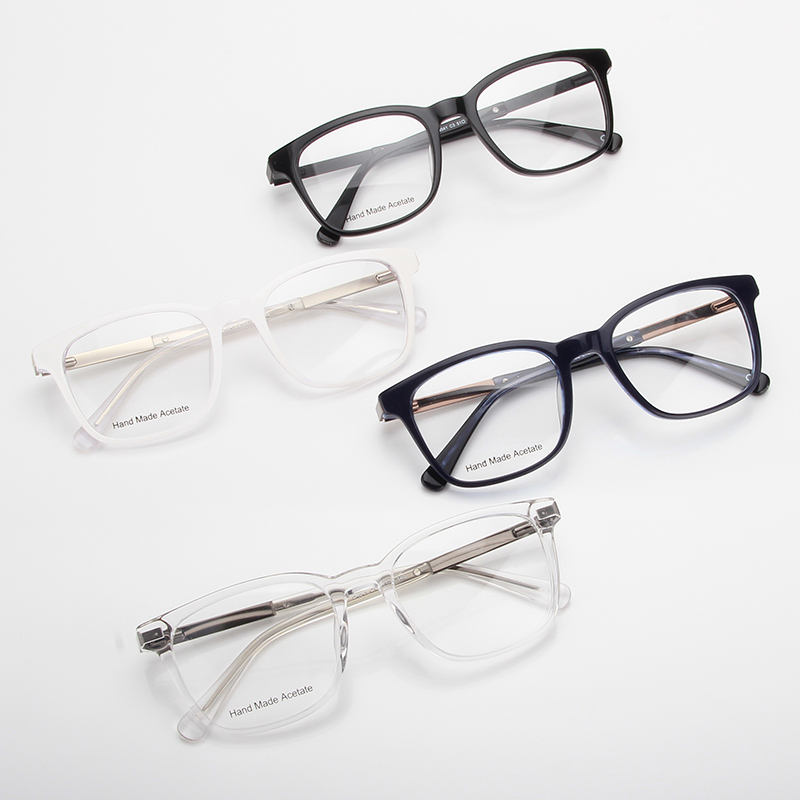
4. Production Preparation and Manufacturing
Once the sample and specifications are approved, the project can move into production preparation.
The manufacturing process varies according to frame materials and construction. Different products may require different forming, cutting, shaping, polishing, assembly, and finishing operations.
For example, acetate and plastic frames have different processing requirements from metal frames. Production arrangements should therefore be based on the approved product design rather than applying one standard process to every style.
Before mass production, buyers and manufacturers should confirm:
Final product specifications
Approved colors and materials
Component and accessory requirements
Branding and packaging details
Order quantities and delivery schedule
This stage establishes the production reference for the project.
5. Quality Inspection and Product Consistency
Quality inspection is an essential part of custom eyewear manufacturing. A product may look correct at the design stage but still require careful checks during and after production.
For bulk orders, inspection should focus on both individual product quality and consistency across the order.
Important inspection areas include frame dimensions, surface appearance, color consistency, hinge assembly, temple alignment, logo application, and packaging condition.
For specialized products such as children's eyewear and sunglasses, buyers should also confirm applicable product safety requirements, lens specifications, and relevant testing documentation for their destination markets.
Clear inspection standards help both parties understand the expected quality level before shipment.
6. Branding, Packaging, and Finished Product Delivery
The final stage is preparing the finished eyewear products for delivery.
Private label projects may include customized logos, eyewear cases, cleaning cloths, product labels, and retail packaging. Buyers should confirm artwork, materials, dimensions, and packaging specifications before final production.
Packaging requirements may also vary according to the destination market, sales channel, and shipping method.
A final review of product appearance, accessories, quantities, and carton information helps ensure that the order is prepared according to the agreed requirements.
Custom Eyewear Manufacturing for Different Product Categories
AGADA supports product development and OEM/ODM cooperation across different eyewear categories.
Classic Eyeglasses: Suitable for everyday optical collections, with different frame shapes, materials, and color options.
Fashion Eyeglasses: Designed around contemporary styling, distinctive frame shapes, and brand-specific visual identity.
Sport Eyeglasses: Developed according to intended activities, frame stability, fit, and material requirements.
Kids Optical Frame: Requires careful consideration of frame sizing, fit, comfort, and applicable safety requirements.
Kids Sunglasses: Combines children's frame design with appropriate lens specifications and market-specific compliance considerations.
Each category requires its own product specifications and evaluation criteria. A clearly defined manufacturing process helps buyers manage different styles within one collection.
Turn Your Eyewear Design into a Finished Product with AGADA
Successful custom eyewear manufacturing depends on cooperation at every stage. A clear design brief, suitable material selection, approved samples, documented quality requirements, and accurate packaging specifications all contribute to a more organized production process.
AGADA Eyeglasses works with international eyewear buyers on OEM/ODM projects, supporting product development from initial requirements through sample evaluation and quality control.
Whether you are developing Classic Eyeglasses, Fashion Eyeglasses, Sport Eyeglasses, Kids Optical Frame, or Kids Sunglasses, AGADA can discuss your product requirements and explore suitable manufacturing arrangements.
Contact AGADA Eyeglasses to share your design, reference sample, or product specifications and discuss your next custom eyewear project.