


How to Develop Exclusive Acetate Eyeglasses for Your Brand
For eyewear brands, product differentiation is essential when building a recognizable collection. While existing frame styles can provide a starting point, developing exclusive acetate eyeglasses allows brands to create products that better reflect their design identity and target market.
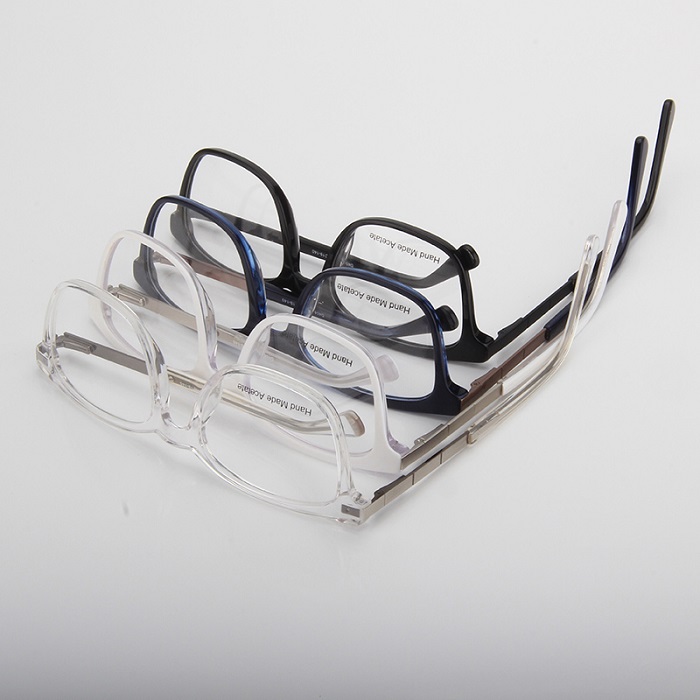
Acetate is widely used in optical eyewear because it offers flexibility in colors, patterns, shapes, and surface finishes. With the right product development process, brands can turn an initial concept into a distinctive collection for their customers.
For private label brands, wholesalers, and optical distributors, the following steps can help organize an exclusive acetate eyewear project.
1. Define Your Brand's Design Direction
Before starting production, establish the visual identity of your collection. Consider your target customers, retail positioning, and the styles that best represent your brand.
For example, a premium optical brand may prefer understated frame shapes and refined color combinations, while a fashion-oriented label may explore bold proportions, distinctive patterns, and seasonal colors.
Prepare reference images, sketches, technical drawings, or existing products to communicate your expectations.
Important design considerations include:
Frame shape and overall proportions
Lens opening and frame dimensions
Front frame thickness
Temple shape and decorative details
Color combinations and surface appearance
Logo placement and branding elements
A clear design direction helps manufacturers evaluate the concept and discuss suitable production options.
2. Select Acetate Colors and Patterns
One of the advantages of acetate eyewear is the variety of visual effects available through different material colors and patterns.
Depending on the material options, brands may consider:
Solid colors for clean and minimalist collections
Tortoiseshell patterns for classic eyewear designs
Transparent colors for contemporary styling
Layered color combinations for distinctive visual effects
Custom color references to maintain brand consistency
For an exclusive collection, color selection should be treated as part of the brand design rather than a final decorative decision.
Buyers should provide physical color references or clear color specifications where possible. Actual material samples should be reviewed because the appearance of colors and patterns can vary under different lighting conditions.
3. Develop Distinctive Frame Shapes and Structures
Frame shape plays an important role in making an acetate collection recognizable.
Brands can explore different design directions, such as rectangular, round, square, oval, and oversized frames. However, the goal should not simply be to include many shapes. Each design should support the overall identity of the collection.
Structural details also deserve attention.
For example, front frame thickness, temple proportions, bridge design, hinge construction, and decorative elements can all influence the final appearance.
When developing exclusive acetate eyeglasses, buyers should confirm dimensions and construction details before sample production. This helps ensure that the finished frame reflects the intended design.
4. Customize Logo and Frame Details
Branding is another important part of exclusive eyewear development.
Depending on the frame design and manufacturing options, logo customization may include:
Printed logos on the temples
Engraved brand names
Decorative metal logo elements
Customized temple tips
Branded packaging and accessories
The logo should complement the frame design and remain consistent with the brand's visual identity.
Buyers should provide vector artwork, preferred logo dimensions, color references, and placement instructions. A physical sample should be reviewed before approving the final branding details.
5. Develop Samples and Review Product Quality
Sample development turns the design concept into a product that can be evaluated before bulk production.
For acetate frames, buyers should review both appearance and construction.
A practical sample checklist includes:
Frame shape and dimensions match the approved design.
Acetate color and pattern meet the reference requirements.
Edges and surfaces have consistent finishing.
Hinges and temples are properly assembled.
Logo placement and decorative details are accurate.
The frame provides the intended fit and balance.
If adjustments are required, buyers should provide specific feedback with photographs or marked-up drawings.
Once the sample is approved, it can serve as the reference for production and quality inspection.
6. Create a Complete Private Label Collection
Exclusive acetate frames can become the foundation of a broader eyewear collection.
Depending on your brand positioning, you can combine different product categories to serve multiple customer groups.
Develop timeless acetate designs with versatile shapes and colors for everyday optical collections.
Explore distinctive frame proportions, bold colors, and decorative details to create a stronger fashion identity.
For sport-oriented collections, buyers should first evaluate whether acetate is suitable for the intended application. Frame stability, fit, material characteristics, and functional requirements should guide product development.
Kids Optical Frame
Children's optical frames require appropriate sizing, fit, comfort, and consideration of applicable safety requirements. Buyers should confirm the material specifications and destination-market requirements.
Kids Sunglasses
Acetate can be considered for selected children's sunglasses designs. Buyers should also confirm lens specifications, UV protection claims, and relevant testing documentation.
Not every category needs to use the same material. A brand can combine different frame materials while maintaining a consistent design language across its collection.
7. Confirm Production and Brand Packaging Requirements
Before mass production, buyers should finalize the approved design, material references, color specifications, logo artwork, and packaging requirements.
For private label projects, packaging may include customized eyewear cases, cleaning cloths, outer boxes, product labels, and shipping cartons.
It is also important to confirm order quantities, sample approval arrangements, inspection requirements, and delivery expectations with the manufacturer.
Documenting these details helps both parties maintain consistent expectations throughout production.
Develop Exclusive Acetate Eyewear with AGADA
Creating an exclusive acetate collection requires more than choosing a material. It involves coordinated decisions about design, colors, frame construction, branding, and production quality.
AGADA Eyeglasses works with international eyewear buyers on OEM/ODM projects, supporting product development from initial design requirements to sample evaluation and quality control.
Whether you are developing a classic optical collection, a fashion-focused acetate range, or expanding into other eyewear categories, clear product specifications and reference samples help establish the right development direction.
Contact AGADA Eyeglasses to discuss your acetate frame designs and explore customization options for your private label brand.