


How to Prepare for Eyewear OEM Product Development
For eyewear brands, wholesalers, and optical distributors in Europe and North America, launching a new eyewear collection involves more than choosing frame designs. Buyers need to translate market trends, customer preferences, and brand positioning into clear product specifications that an eyewear manufacturer can understand and produce.
A well-organized OEM development process helps reduce communication gaps, improve sample evaluation, and create a smoother transition from product design to bulk orders.
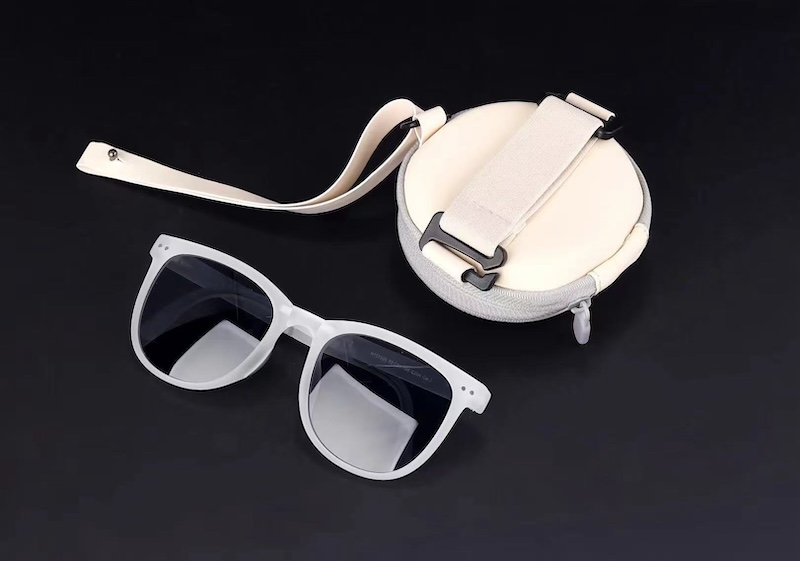
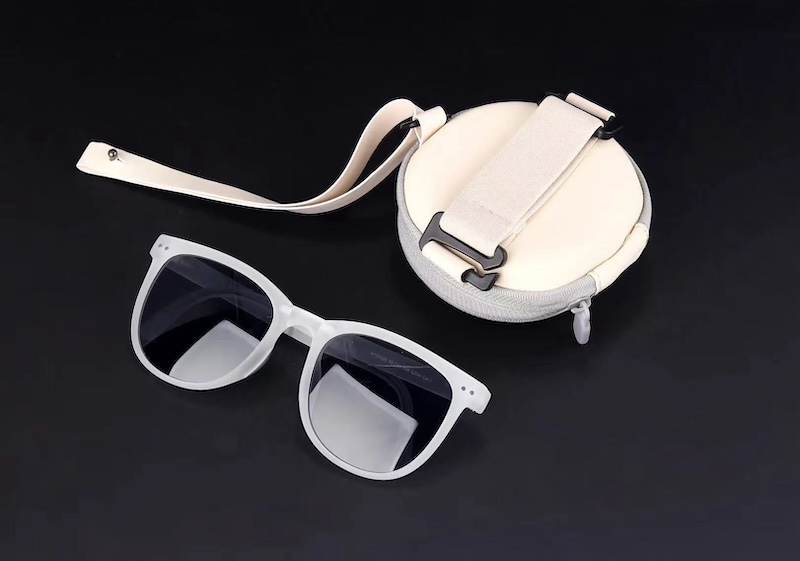
1. Define Your Target Market Before Selecting Frame Designs
The first step in eyewear product development is understanding who will purchase the products. Different customer groups have different expectations regarding appearance, comfort, materials, and price positioning.
For example, Classic Eyeglasses are suitable for brands targeting everyday optical consumers who prefer timeless designs. Fashion Eyeglasses, on the other hand, can help retailers introduce trend-driven styles and seasonal collections.
Before contacting a manufacturer, buyers should prepare basic information about their target customers, preferred frame shapes, colors, materials, and expected retail positioning.
2. Prepare Clear Specifications for Sport Eyewear
Sport-inspired optical frames require careful consideration of fit, stability, and material selection. Buyers should explain the intended application rather than simply requesting a sporty appearance.
When developing Sport Eyeglasses, important specifications may include frame dimensions, temple length, nose pad structure, frame weight, hinge design, and lens compatibility.
For a more specific product direction, buyers can compare Metal Sport Optical Frame and Plastic Sport Optical Frame designs.
Metal frames may offer a more refined appearance and different finishing possibilities, while plastic frames provide flexibility in shape, color, and styling. The final selection should depend on the intended customer group and product requirements.
3. Use Samples to Confirm Product Details
A product drawing or reference image cannot always communicate every detail of an eyewear frame. Physical samples allow buyers to evaluate dimensions, wearing comfort, finishing, color, and construction.
During sample review, buyers should check:
Overall frame shape and proportions
Front width, lens width, bridge width, and temple length
Material appearance and surface finishing
Hinge movement and structural consistency
Fit and comfort during normal wear
Compatibility with the intended lenses
For brands developing Classic Eyeglasses or Fashion Eyeglasses, sample evaluation also helps confirm whether the actual product matches the desired brand identity.
4. Consider Different Customer Groups in Your Collection
A diversified eyewear collection can help retailers serve customers with different needs. In addition to adult optical frames, brands may consider developing children's products.
Kids Optical Frame designs should prioritize suitable sizing, comfortable fit, and age-appropriate styling. Buyers should confirm the material specifications and product requirements for their intended market.
Kids Sunglasses can provide another product category for seasonal and lifestyle collections. For these products, buyers should verify lens specifications and applicable UV protection testing documentation rather than relying only on appearance or marketing descriptions.
5. Confirm Production Details Before Bulk Orders
Once the sample is approved, buyers and manufacturers should confirm the final specifications before moving forward.
The product confirmation should cover materials, colors, dimensions, logo placement, packaging requirements, order quantities, inspection standards, and delivery arrangements. Any approved changes made during sampling should be reflected in the final production specifications.
This step is particularly important for OEM projects because consistent communication helps ensure that bulk products follow the approved sample and agreed requirements.
Work with an Eyewear Manufacturer on Your Next Collection
Successful eyewear OEM development depends on clear product requirements, effective sample evaluation, and reliable communication between buyers and manufacturers.
AGADA Eyeglasses works with international buyers seeking eyewear products and OEM/ODM cooperation. Whether you are developing classic optical frames, fashion collections, sport-inspired designs, or children's eyewear, defining your product requirements is a practical starting point for a successful sourcing project.
Contact AGADA to discuss your next eyewear development project.