


AGADA Eyeglasses Follows New Trends at the 8th China Wenzhou Eyewear Industry Summit
Exploring New Opportunities in Eyewear Manufacturing, Product Innovation, and Global Markets
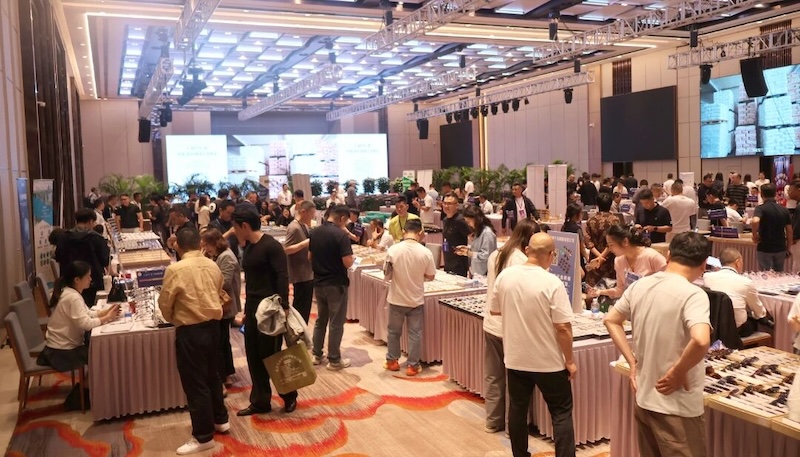
On October 28, 2026, the 8th China (Wenzhou) Eyewear Industry and Trade Summit was successfully held at the Yuntianlou Ouyue Hotel in Wenzhou, China. Bringing together nearly 80 eyewear companies from major production hubs across China, the event provided an important platform for industry professionals to exchange ideas, explore business opportunities, and discuss the future direction of the eyewear industry.
As an eyewear manufacturer serving international markets, AGADA Eyeglasses continues to follow industry developments and changing buyer demands. The summit highlighted several important trends, including manufacturing transformation, product differentiation, supply chain cooperation, and the growing role of smart eyewear technology.
1. A Comprehensive Eyewear Industry Platform
The summit brought together companies from Wenzhou, Taizhou, Danyang, Xiamen, Shenzhen, Guangzhou, Yingtan, Xinhe, and other eyewear production centers.
The exhibits covered a wide range of products and manufacturing resources, including finished eyewear, lenses, frame components, packaging, automated production equipment, and raw materials.
In addition to manufacturers and suppliers, supporting service providers such as exhibition organizers, factory audit consultants, and cross-border e-commerce platforms also participated.
This broad industry representation demonstrated the strength of China's eyewear supply chain. For international buyers, a well-developed manufacturing ecosystem provides access to diverse product categories, production resources, and customization options.
2. Eyewear Manufacturing Is Moving Toward Higher Quality and Differentiation
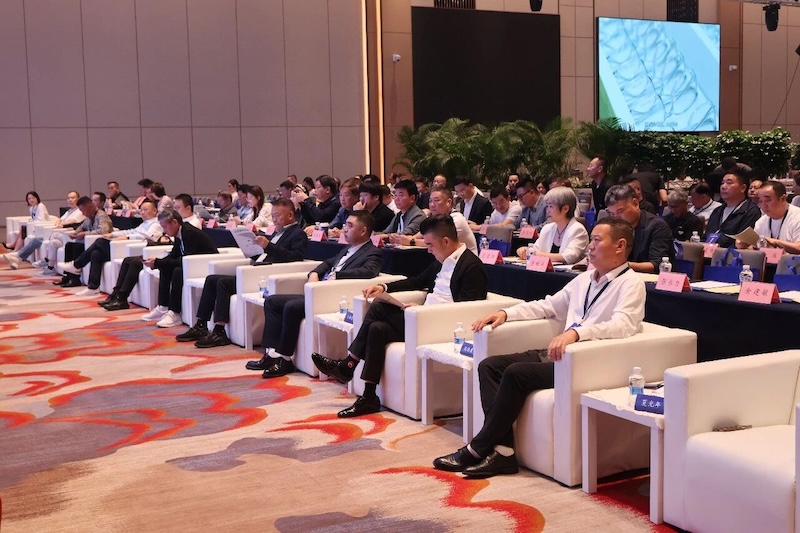
During the keynote session, Lin Jiagan, President of the Wenzhou Eyewear Association, shared his thoughts on the development and transformation of the eyewear industry.
He noted that China's eyewear industry has strong production capacity and a comprehensive supply chain. However, challenges such as homogeneous products, intense price competition, and the need for stronger brand positioning remain.
Meanwhile, consumer demand is gradually shifting toward better product quality, more specialized eyewear, and improved optical services.
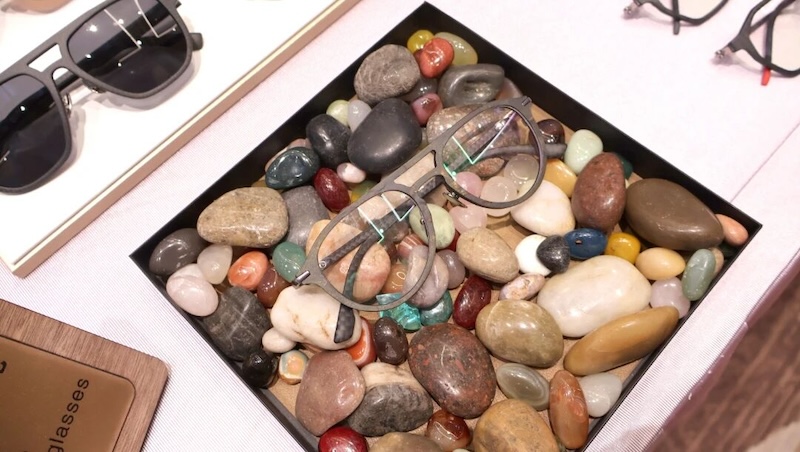
This means that eyewear manufacturers need to look beyond production volume. Material selection, product design, manufacturing precision, quality control, and customer-oriented product development are becoming increasingly important.
For international eyewear brands and distributors, these changes also create opportunities to develop more distinctive collections and build stronger product portfolios.
3. Five Eyewear Categories with Different Market Opportunities
As the global eyewear market continues to evolve, different product categories serve different consumer needs. Developing a balanced product portfolio can help brands and distributors reach a wider range of customers.
Classic Eyeglasses: Building a Reliable Everyday Collection
Classic Eyeglasses remain an important category for optical retailers, distributors, and private-label brands.
Timeless shapes, versatile colors, and practical frame designs make classic eyewear suitable for everyday use. For manufacturers, maintaining consistency in frame dimensions, material quality, finishing, and assembly is essential.
As buyers seek reliable products for long-term sales, classic frame collections continue to offer opportunities for stable product development and repeat orders.
Fashion Eyeglasses: Responding to Changing Consumer Preferences
Fashion Eyeglasses reflect the influence of lifestyle trends, personal expression, and changing design preferences.
Distinctive frame shapes, color combinations, material choices, and decorative details can help eyewear brands differentiate their collections.
For OEM and ODM manufacturers, the ability to develop customized designs and respond to different market preferences is becoming an important competitive advantage.
Sport Eyeglasses: Combining Functionality and Design
Sport Eyeglasses serve consumers who need eyewear designed around active lifestyles and specific wearing conditions.
Frame weight, fit, structural design, and material suitability are important considerations during product development. Depending on the intended application, buyers may also have specific requirements for lens performance and product testing.
As consumers pay more attention to specialized eyewear, sport eyewear offers manufacturers opportunities to develop products for more focused market segments.
Kids Optical Frame: Focusing on Comfort and Product Suitability
The Kids Optical Frame category requires particular attention to frame construction, fit, material selection, and age-appropriate design.
Parents, optical retailers, and distributors often consider comfort, durability, appearance, and applicable product safety requirements when choosing children's frames.
Manufacturers need to understand the needs of different age groups and work with buyers to confirm suitable specifications before production.
Kids Sunglasses: Expanding Children's Outdoor Eyewear Collections
Kids Sunglasses provide another opportunity for eyewear brands to expand their product portfolios.
Colorful designs, comfortable frame construction, and suitable lens specifications are important considerations for children's sunglasses. Buyers should also confirm UV protection requirements through appropriate product documentation and testing.
For distributors and retailers, offering different styles and designs can help create more comprehensive children's eyewear collections.
4. Southeast Asia and the Global Eyewear Supply Chain
The summit also discussed the growing trend of Chinese eyewear companies expanding into Southeast Asian markets.
According to the keynote analysis, Southeast Asia is increasingly taking on certain basic production activities, including frame assembly and semi-finished product processing. However, China's advantages in advanced manufacturing processes, precision production, and comprehensive supply chain support remain important.
This development highlights the importance of supply chain coordination rather than simply relocating production.
For international buyers, working with experienced Chinese eyewear manufacturers can provide access to established production resources, material options, customization capabilities, and a broad range of eyewear products.
At the same time, manufacturers need to understand regional market preferences, develop suitable products, and improve their ability to serve customers across different markets.
5. From Traditional Eyewear Manufacturing to Smart Optical Technology
Another important topic discussed at the summit was the rapid development of AR and AI smart glasses.
Eyewear is gradually evolving beyond a traditional fashion and optical product into a new generation of technology-enabled devices.
This trend may create new opportunities in product design, materials, manufacturing processes, and supply chain cooperation.
The industry's future development will require manufacturers to improve production quality, strengthen brand capabilities, explore smart technology applications, and build stronger operational foundations.
Although traditional eyewear categories remain important, continuous innovation will help the industry adapt to changing consumer expectations and new market opportunities.
6. AGADA Eyeglasses: Supporting Diverse Eyewear Product Needs
The discussions at the 8th China (Wenzhou) Eyewear Industry and Trade Summit reflect a broader transformation taking place across the eyewear industry.
For AGADA Eyeglasses, understanding these changes is important when developing products and serving international customers.
Our product portfolio covers:
Sport Eyeglasses
Kids Optical Frame
Kids Sunglasses
We support OEM and ODM eyewear projects, helping brands, wholesalers, optical distributors, and retailers develop product collections based on their design concepts and market requirements.
As the eyewear industry moves toward higher quality, product differentiation, and more specialized applications, AGADA Eyeglasses will continue to focus on manufacturing capabilities, product development, and cooperation with global eyewear partners.
Looking for an eyewear manufacturing partner for your next collection? Contact AGADA Eyeglasses to discuss your OEM and ODM requirements.