


Classic Eyeglasses Fashion Eyeglasses Sport Eyeglasses Kids Optical Frame Kids Sunglasses
Building a private label eyewear collection involves more than choosing attractive frame designs. Brands also need to consider logo placement, frame materials, surface finishes, and packaging details to create products that reflect their identity.
For eyewear brands, wholesalers, and optical distributors, these customization options can influence product positioning, retail presentation, and customer recognition.
Whether you are launching a new eyewear label or expanding an existing collection, understanding the available customization choices can help you communicate your requirements more effectively with your manufacturing partner.
1. Custom Logo Design for Eyeglass Frames
A logo is one of the most recognizable elements of a private label eyewear product. Its placement, size, and application method should complement the frame design without affecting its overall appearance.
Common logo placement options include:
Temple logo: A popular location for brand names and symbols, visible when the glasses are worn.
Temple tip logo: Suitable for smaller branding details and selected frame designs.
Lens logo: Often used for discreet temporary markings or approved product identification, depending on the lens application.
Frame front details: Selected designs may incorporate subtle branding elements into the front frame.
The logo application method depends on the frame material and design. Options may include printing, engraving, metal logo plates, or other decorative techniques.
Before production, buyers should provide vector logo artwork, preferred dimensions, color references, and placement instructions. A physical sample should be reviewed to confirm that the final logo matches the brand's expectations.
2. Choosing the Right Materials for Custom Eyeglass Frames
Frame material affects product appearance, weight, construction, and price positioning. Buyers should select materials according to their target customers and collection strategy.
Acetate Frames
Acetate is widely used in fashion-oriented eyewear. It offers a variety of colors, patterns, and finishing possibilities, making it suitable for brands developing distinctive optical collections.
Plastic Frames
Plastic materials can support different shapes, colors, and frame designs. They are commonly considered for everyday optical collections and products across different price segments.
Metal Frames
Metal frames offer opportunities for slim, minimalist, and classic designs. Buyers should evaluate the metal composition, coating finish, component structure, and overall construction when selecting a product.
Lightweight Frame Materials
Some lightweight materials, including TR90 formulations, can be considered for collections where reduced frame weight and flexibility are important design objectives. Actual performance depends on the material formulation and frame construction.
When developing custom eyeglass frames, buyers should request material information and physical samples rather than relying only on product images.
3. Customization Options for Different Eyewear Collections
Different product categories require different design and branding approaches. A consistent brand identity can be maintained while adjusting frame styles, materials, and packaging for each customer segment.
Classic Eyeglasses
Classic Eyeglasses are suitable for everyday optical collections. Buyers may choose understated logo placement, versatile colors, and materials that match the intended product positioning.
Fashion Eyeglasses
Fashion Eyeglasses offer more opportunities for distinctive branding. Decorative temple details, customized colors, special finishes, and recognizable frame shapes can help create a consistent collection identity.
Sport Eyeglasses
Sport Eyeglasses require attention to frame structure, fit, and intended use. Branding should be integrated without interfering with the frame's functional design. Buyers should communicate the target sport or activity when discussing product specifications.
Kids Optical Frame
Kids Optical Frame customization should balance brand identity with appropriate sizing, fit, comfort, and product safety requirements. Buyers may also consider playful colors and age-appropriate packaging.
Kids Sunglasses
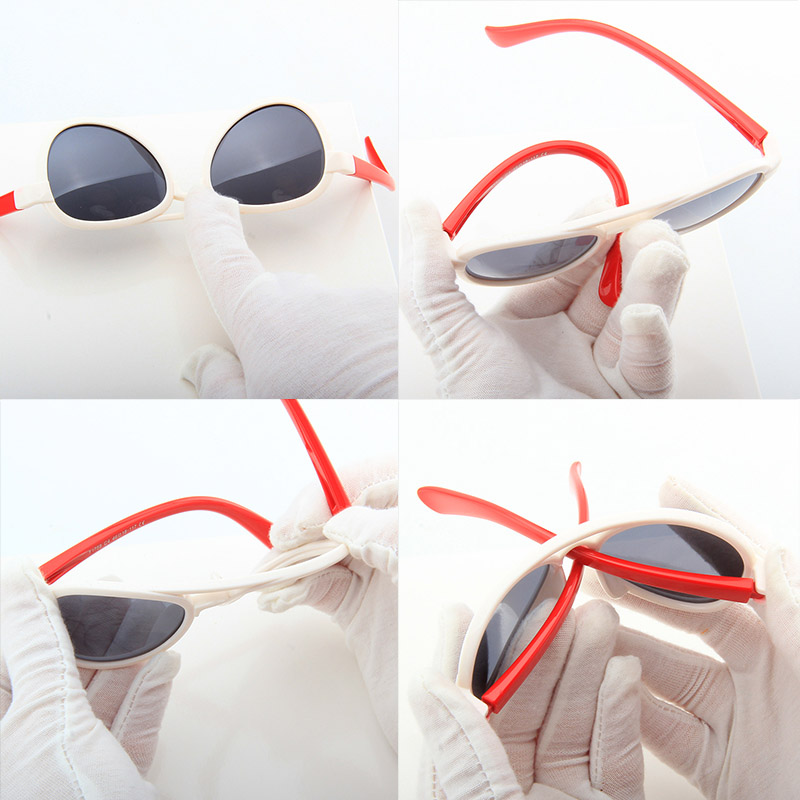
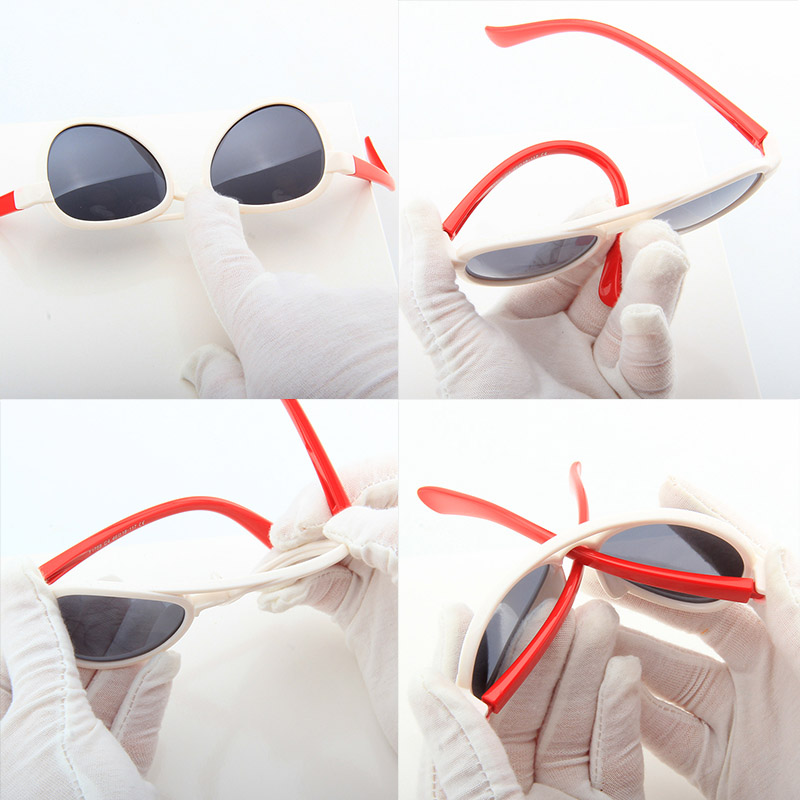
Kids Sunglasses combine frame branding with lens and packaging requirements. Buyers should confirm lens specifications, UV protection claims, and applicable market testing documentation before production.
4. Custom Eyewear Packaging Options
Packaging is another important part of private label development. It protects products during storage and transportation while helping brands create a consistent retail presentation.
Depending on the project, buyers may consider:
Eyewear cases: Hard or soft cases with customized branding.
Cleaning cloths: Custom colors, printed logos, and selected fabric options.
Outer boxes: Branded packaging with customized artwork and product information.
Product labels: Model numbers, barcodes, and other identification details.
Instruction cards: Care information and brand messaging.
Shipping cartons: Packaging specifications suitable for bulk transportation.
For international orders, buyers should also confirm packaging dimensions, material requirements, labeling information, and shipping marks before production.
A packaging sample should be reviewed alongside the eyewear sample to ensure that all components are consistent with the approved design.
5. What Buyers Should Confirm Before Bulk Production
Custom branding involves several details that need to be coordinated. Confirming them before mass production helps reduce revisions and avoid inconsistencies.
A practical checklist includes:
Final frame design, dimensions, and material specifications.
Approved logo artwork, size, color, and placement.
Surface finish and color references.
Approved eyewear sample.
Packaging design and accessory specifications.
Product labeling and barcode requirements.
Order quantities and delivery arrangements.
Buyers should also clarify which customization options are available for each frame style, as not every logo method, material, or packaging configuration is suitable for every product.
Develop Your Private Label Eyewear Collection with AGADA
A successful private label collection requires coordination between product design, material selection, logo application, and packaging. These details should be considered together rather than treated as separate decisions.
AGADA Eyeglasses supports OEM/ODM cooperation for international eyewear buyers, helping customers discuss product requirements from initial design concepts to sample development and quality control.
Whether you are developing Classic Eyeglasses, Fashion Eyeglasses, Sport Eyeglasses, Kids Optical Frame, or Kids Sunglasses, a clear customization brief can help establish the right direction for your project.
Contact AGADA Eyeglasses to discuss your logo design, frame material, and packaging requirements for your next private label collection.