


How to Select Sport Optical Frames for Different Customer Groups
Sport optical frames are an important category for eyewear brands looking to serve customers with different lifestyles and visual needs. However, selecting the right frames requires more than choosing a sporty appearance. Buyers need to consider frame fit, stability, weight, material, lens compatibility, and the intended sporting activities.
For importers, wholesalers, and private label brands, understanding different customer groups helps build a more competitive sports eyewear collection.
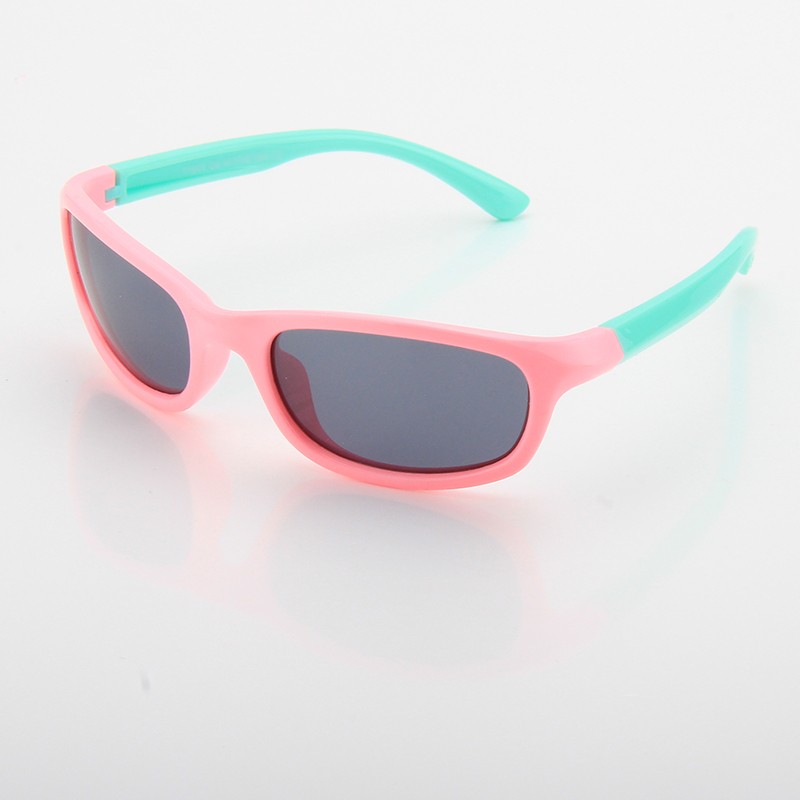
1. Everyday Active Consumers
Some customers need optical frames that can be worn throughout the day, including during walking, fitness activities, and casual outdoor exercise.
For this group, buyers should focus on lightweight construction, comfortable temple design, secure fitting, and versatile styling. Frames should provide a balance between an active appearance and everyday practicality.
Compared with traditional Classic Eyeglasses, sport-oriented designs may feature more curved temples, a closer fit, and different frame proportions. However, comfort and optical compatibility should remain important considerations.
2. Outdoor Sports and Cycling Enthusiasts
Outdoor activities such as cycling, running, and hiking create different eyewear requirements. Customers may prefer lightweight frames with stable temple designs and lens shapes that provide suitable coverage.
Buyers should consider:
Frame stability during movement
Secure temple positioning
Lens size and coverage
Compatibility with prescription lenses
Suitability for the intended outdoor environment
For cycling and other higher-risk activities, ordinary sport-style optical frames should not automatically be marketed as protective eyewear. Buyers should identify the relevant safety standards and testing requirements before making protection claims.
3. Fashion-Conscious Sport Eyewear Customers
Not every customer chooses sports eyewear exclusively for performance. Some prefer sporty designs that can also be worn for travel, casual activities, and everyday use.
This segment creates opportunities to combine functional frame shapes with contemporary colors and distinctive details.
Compared with conventional Fashion Eyeglasses, sport-inspired designs can offer a more active visual identity while maintaining a versatile appearance. Buyers should consider how frame colors, materials, and branding work together across the collection.
4. Children and Young Active Consumers
Children's sports eyewear requires particular attention to fit, weight, frame construction, and age-appropriate design.
When developing a Kids Optical Frame collection, buyers should consider different head sizes, comfortable temple lengths, smooth edges, and stable construction. A frame that is too large or too heavy may be unsuitable for younger users.
For outdoor activities, Kids Sunglasses can complement the optical collection. Buyers should confirm lens UV specifications, appropriate fitting, and applicable product safety requirements for the destination market.
If the product is intended for organized sports or impact-related activities, additional protective eyewear requirements may apply.
5. Choose Materials According to Product Positioning
Material selection affects weight, flexibility, appearance, and manufacturing cost. Buyers can compare different plastic and metal frame options based on the intended customer group and design requirements.
Important evaluation points include:
Frame weight and wearing comfort
Flexibility and structural stability
Hinge construction and temple movement
Surface finishing and color consistency
Compatibility with the selected lenses
The best material is not necessarily the most expensive option. It should match the product's intended application, target price range, and quality expectations.
6. Build a Balanced Sport Optical Frame Collection
For brands and wholesalers, a successful collection should include several designs rather than relying on one universal frame style.
Consider developing different options for everyday active consumers, outdoor enthusiasts, fashion-oriented customers, and children. Each group may require different frame dimensions, colors, materials, and lens configurations.
Before bulk production, approve samples and confirm frame measurements, lens specifications, hinge performance, and finishing standards. Buyers should also clarify minimum order quantities, customization options, and production lead times with the manufacturer.
At AGADA Eyeglasses, buyers can discuss customized eyewear development across sport, classic, fashion, and children's categories. Share your target customer groups, design references, material preferences, and estimated order quantities to develop a sport optical frame collection suited to your market.
A well-planned collection starts with understanding the customer. Matching frame design and product specifications to different sporting and lifestyle needs helps brands build a more relevant and commercially practical eyewear range.