


Eyeglasses Hinge Durability Testing and Quality Control
Eyeglasses hinges play an important role in frame durability, wearing comfort, and long-term product performance. Although they are small components, poor hinge construction or inconsistent assembly can lead to loose temples, uneven opening and closing, uncomfortable fitting, or premature breakage.
For eyewear brands, wholesalers, and optical distributors, hinge quality should be considered during product development and bulk production inspection. A well-designed frame needs more than an attractive appearance. Its hinges should also provide consistent movement and reliable connection between the front frame and temples.
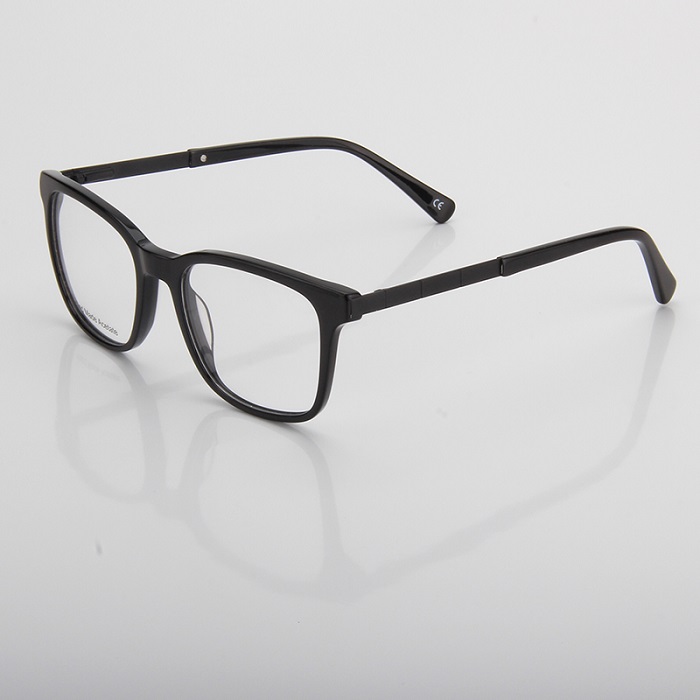
1. Understand Different Eyeglasses Hinge Structures
The appropriate hinge structure depends on the frame design, material, and intended use. Conventional hinges are commonly used in many everyday optical frames, while spring hinges allow additional temple movement and may provide a more flexible wearing experience.
When developing Classic Eyeglasses, buyers should pay attention to hinge alignment, screw stability, and the consistency of opening and closing. These details help maintain the frame's appearance and everyday usability.
For Fashion Eyeglasses, hinge design also affects the overall appearance. Decorative hinge details, metal components, and frame thickness should be considered together to ensure that the selected structure fits the product design.
2. Key Hinge Durability Testing Items
Before approving a frame for mass production, buyers should discuss suitable hinge inspection and testing procedures with the manufacturer.
Important evaluation points include:
Opening and closing cycles: Repeatedly open and close the temples to observe whether movement remains smooth and consistent.
Hinge tightness: Check whether screws and hinge connections remain secure during normal operation.
Temple alignment: Confirm that both temples open evenly and maintain the intended position.
Structural stability: Inspect the connection between the hinge and frame for visible movement, cracks, or deformation.
Movement resistance: Check whether the temples feel excessively loose or difficult to operate.
Testing conditions, cycle counts, and acceptance criteria should be agreed upon before production. Buyers should not assume that one universal cycle count applies to every frame design.
3. Special Considerations for Different Eyewear Categories
Different product categories have different hinge requirements.
For Sport Eyeglasses, buyers should consider how the hinge structure performs during repeated movement and active use. Temple stability, frame flexibility, and the overall fit should be evaluated together.
For a Kids Optical Frame, hinge construction deserves particular attention because children's eyewear may experience frequent handling. Buyers should check for exposed sharp edges, loose components, and potential pinching points. The frame should also be evaluated for suitability for its intended age group.
For Kids Sunglasses, hinge quality should be assessed alongside frame construction, lens specifications, and the requirements of the destination market. Buyers should confirm applicable product safety and UV protection requirements rather than relying on appearance alone.
4. Control Hinge Quality During Bulk Production
A sample that performs well does not automatically guarantee consistent bulk production. Hinge installation, screw tightening, component positioning, and frame assembly should be checked throughout manufacturing.
A practical quality control process can include:
Confirming hinge specifications against the approved sample.
Checking hinge alignment during assembly.
Inspecting screw installation and connection stability.
Conducting functional opening and closing checks.
Recording defects and reviewing corrective actions.
Performing final inspections before shipment.
Buyers should establish inspection methods, sampling levels, and acceptable defect limits with the supplier before production begins.
5. What Buyers Should Confirm with an Eyewear Manufacturer
When requesting an OEM or ODM quotation, provide the frame design, material requirements, hinge preferences, target market, and expected order quantity. If hinge durability is a key requirement, include the proposed testing method and acceptance criteria in the product specification.
At AGADA Eyeglasses, buyers can discuss frame design and product development requirements across different eyewear categories. Share your reference samples, technical drawings, and project specifications to evaluate suitable hinge structures and quality control requirements before bulk production.
Reliable hinge performance starts with clear specifications, appropriate construction, and consistent manufacturing inspection.