


How to Inspect Eyeglass Frame Quality Before Bulk Production
Before placing a bulk eyewear order, buyers need to make sure that the approved sample meets their product requirements. Even small differences in frame dimensions, surface finishing, color, or component assembly can affect the appearance and consistency of an entire collection.
For eyewear brands, wholesalers, and optical distributors, establishing clear inspection standards before mass production helps reduce quality risks and avoid unnecessary disputes.
Whether you are sourcing everyday optical frames, fashion designs, or children's eyewear, here are seven important areas to inspect before approving bulk production.
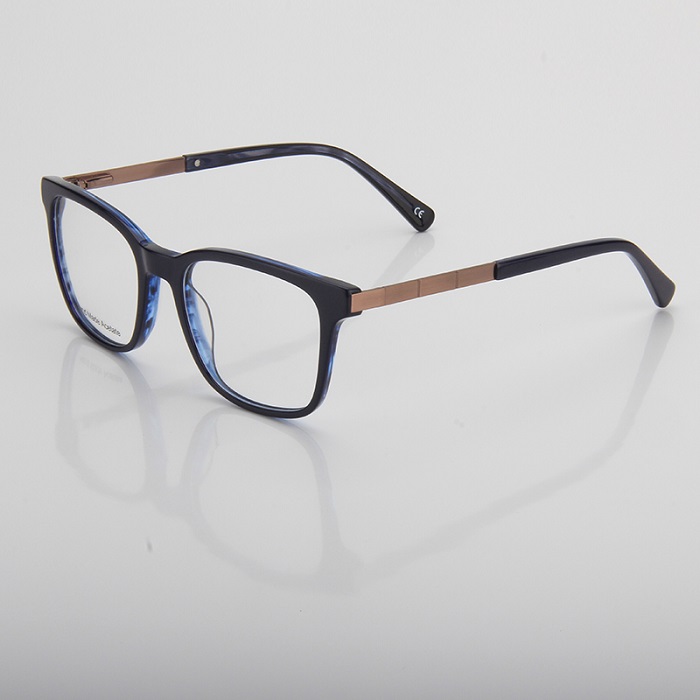
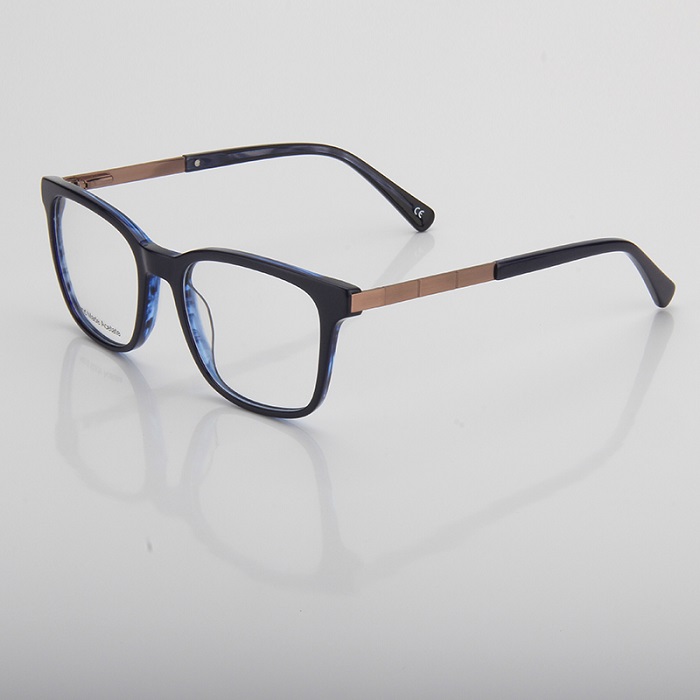
1. Check Frame Dimensions and Design Accuracy
The first step is to confirm that the frame matches the approved design and technical specifications.
Buyers should compare the production sample with the reference drawing or approved sample. Important measurements include:
Lens width and lens height
Bridge width
Temple length
Overall frame front width
Frame thickness
Left and right frame symmetry
For orders involving multiple sizes or styles, each specification should be documented separately.
Small dimensional differences may affect frame fitting and appearance. Establishing acceptable measurement tolerances before production helps both buyers and manufacturers maintain consistent expectations.
2. Inspect Frame Materials and Surface Finishing
Material quality and finishing directly influence the appearance of the finished eyewear.
For acetate and plastic frames, buyers should inspect the surface for scratches, uneven polishing, visible defects, and inconsistent colors. Frame edges should be properly finished without rough or sharp areas.
For metal frames, attention should be given to surface coatings, connection points, soldering areas, and visible assembly marks.
During inspection, check:
Surface smoothness and overall appearance
Color and pattern consistency
Edge polishing and finishing
Coating uniformity where applicable
Material consistency with the approved specifications
Comparing products under consistent lighting conditions can make color and surface differences easier to identify.
3. Test Hinges, Temples, and Frame Assembly
Frame components need to work together correctly. Poor assembly may affect product stability, fit, and long-term use.
Buyers should inspect the following details:
Hinges: Open and close the temples several times to check movement, alignment, and fastening.
Temples: Check whether both sides are symmetrical and whether the temples align properly when folded.
Screws and connections: Look for loose components, visible gaps, or improper installation.
Nose area: Check the bridge structure and nose pads, where applicable.
Frame alignment: Place the frame on a flat surface and check for noticeable unevenness or twisting.
These checks should be included in the pre-production sample approval process and repeated during bulk quality inspection.
4. Evaluate Logo and Branding Consistency
For private label eyewear projects, branding details are part of product quality.
A logo that is incorrectly positioned, unevenly printed, or inconsistent in color can affect the professional appearance of the collection.
Buyers should compare the finished sample against the approved logo artwork and confirm:
Logo size and position
Font and graphic accuracy
Color consistency
Printing, engraving, or decorative finish
Adhesion and appearance of applied components
For orders involving several frame styles, check that branding follows the same approved specifications across the collection.
5. Inspect Different Eyewear Categories Separately
Different product categories have different inspection priorities. Buyers should avoid applying exactly the same checklist to every type of eyewear.
Classic Eyeglasses
Focus on frame dimensions, symmetry, hinge assembly, surface finishing, and overall wearing fit. Consistent appearance is important when ordering multiple colors or styles.
Fashion Eyeglasses
Pay particular attention to frame proportions, color combinations, decorative elements, polishing, and logo details. The finished product should match the approved design references.
Sport Eyeglasses
Inspect frame stability, fit, component assembly, and suitability for the intended activity. Any claimed impact resistance or other performance characteristics should be supported by appropriate testing documentation.
Kids Optical Frame
Check frame sizing, edge smoothness, component security, fit, and material specifications. Buyers should also confirm applicable children's eyewear safety requirements in their destination markets.
Kids Sunglasses
In addition to frame construction and finishing, inspect lens specifications, lens appearance, UV protection claims, and relevant testing documentation. Requirements should be confirmed according to the destination market.
6. Check Lens Quality and Packaging Requirements
Although frame quality is the main focus of this inspection, buyers should also evaluate lenses and accessories when they are included in the order.
Lens inspection may include checking for visible scratches, contamination, incorrect tint, and conformity with the agreed specifications.
For sunglasses, buyers should request appropriate documentation to support UV protection claims.
Packaging should also be checked before bulk shipment. Confirm that eyewear cases, cleaning cloths, product labels, and outer boxes match the approved artwork and specifications.
Products should be packed in a way that helps prevent scratches, deformation, and other transportation-related damage.
7. Establish a Pre-Production and Bulk Inspection Checklist
A clear inspection checklist makes quality requirements easier to communicate and follow.
| Inspection Item | What Buyers Should Confirm |
|---|---|
| Frame dimensions | Measurements match approved specifications |
| Material | Correct material and construction |
| Surface finishing | No unacceptable visible defects |
| Color consistency | Matches approved color references |
| Hinges and temples | Proper alignment and assembly |
| Logo | Correct artwork, position, and appearance |
| Lenses | Conformity with agreed specifications |
| Packaging | Correct accessories and branding |
| Overall appearance | Consistent with the approved sample |
Buyers should distinguish between pre-production sample approval, in-process inspection, and final inspection. Each stage serves a different purpose.
Before production begins, agree on the inspection criteria, acceptable defect levels, sampling method, and corrective-action process. For larger orders, buyers may also consider an independent third-party inspection based on their quality requirements.
Maintain Consistent Eyewear Quality with AGADA
Quality control should begin before bulk production, not only when finished products are ready for shipment.
A clearly approved sample, documented product specifications, and agreed inspection criteria help manufacturers and buyers work toward the same quality expectations.
AGADA Eyeglasses supports OEM/ODM cooperation for international eyewear buyers across Classic Eyeglasses, Fashion Eyeglasses, Sport Eyeglasses, Kids Optical Frame, and Kids Sunglasses.
Whether you are developing a new private label collection or placing a repeat order, clear quality requirements help establish a more reliable manufacturing process.
Contact AGADA Eyeglasses to discuss your product specifications, sample requirements, and quality expectations before starting your next bulk order.