


How Eyeglass Frame Finishing Affects Product Quality
When sourcing eyewear, buyers often focus on frame design, materials, and pricing. However, finishing quality is equally important. Small details such as polished edges, smooth surfaces, consistent colors, and properly finished joints can influence the appearance, durability, and overall value of an eyewear product.
For eyewear brands, wholesalers, and optical distributors, evaluating the finishing process is an essential part of supplier selection and bulk order inspection.
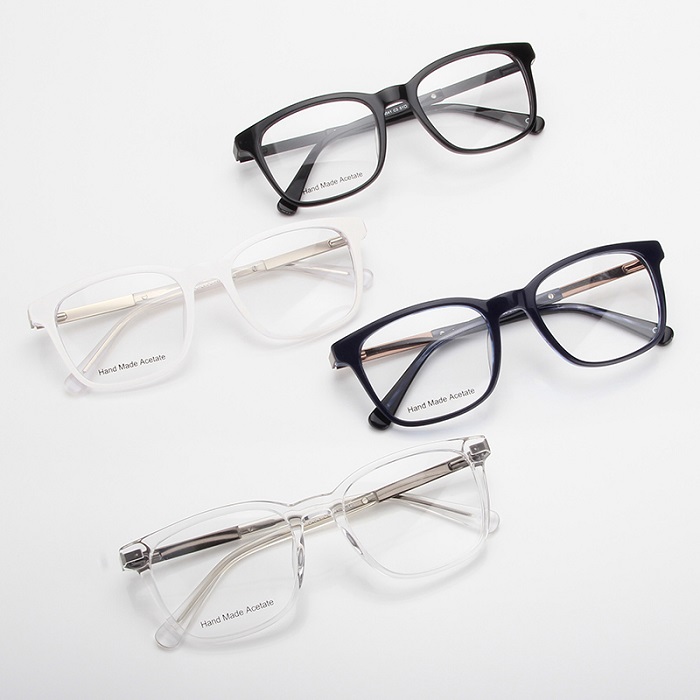
Why Eyeglass Frame Finishing Matters
The finishing process determines how a frame looks and feels after manufacturing. Even when two products use similar materials and designs, differences in surface treatment and workmanship can create noticeable differences in the final result.
A well-finished eyeglass frame should have smooth edges, an even surface, consistent color, and properly assembled components. Poor finishing may result in visible scratches, rough edges, uneven coatings, or loose connections.
For B2B buyers, these defects can affect customer satisfaction, product returns, and brand reputation. Checking finishing quality during sample approval helps identify potential problems before mass production.
Surface Treatment for Women Optical Frames
Appearance is particularly important when developing fashion-oriented eyewear collections. Women Optical frames often feature a variety of colors, shapes, decorative details, and surface effects.
Depending on the material and design, finishing requirements may include:
Smooth and evenly polished frame surfaces
Consistent colors across the front and temples
Clean edges around lenses and frame openings
Neat decorative elements and logo details
Secure hinges and well-aligned temples
For acetate and plastic frames, buyers should pay attention to polishing, edge finishing, and color consistency. For metal designs, coating uniformity and the appearance of joints are also important.
When sourcing a Women Optical Frame, buyers should compare production samples under consistent lighting conditions to identify differences in color, gloss, and surface appearance.
Finishing Standards for Men Optical Eyelgasses
Men's eyewear collections often include classic, business, minimalist, and contemporary designs. These styles may look simple, but their finishing details still require careful control.
For Men Optical Eyelgasses, buyers should pay attention to the alignment of the frame front, temple symmetry, hinge installation, and the smoothness of contact surfaces.
Metal frames require particular attention to coating appearance, soldering or connection areas, and component assembly. Plastic and acetate frames should be checked for edge smoothness, polishing marks, and consistent dimensions.
A clean, balanced finish helps maintain a professional appearance across different styles and price segments.
What Buyers Should Inspect in a Men Spectacle Frame
Before approving a Men Spectacle Frame for bulk production, procurement teams should establish clear inspection points.
| Inspection Area | What to Check |
|---|---|
| Surface quality | Scratches, stains, uneven gloss, and visible defects |
| Edge finishing | Rough edges, sharp areas, and inconsistent polishing |
| Color consistency | Differences between frame fronts and temples |
| Hinge assembly | Alignment, movement, and fastening |
| Frame symmetry | Balance between left and right sides |
| Logo and details | Position, clarity, and adhesion |
| Overall appearance | Consistency with the approved sample |
Buyers should also confirm that the inspection criteria match the product material and construction. Different frame types may require different finishing and testing procedures.
How to Maintain Consistent Finishing in Bulk Production
A good sample does not automatically guarantee consistent bulk production. Buyers should communicate their finishing expectations before manufacturing begins.
A practical quality-control process includes:
Confirming material, color, and surface finish requirements.
Reviewing a pre-production sample before mass production.
Establishing acceptable limits for visible surface defects.
Checking frame alignment and component assembly during production.
Conducting final appearance inspections before packaging.
Reference samples, product drawings, and written inspection standards can help buyers and manufacturers maintain consistent expectations throughout the order process.
Work with an Eyewear Manufacturer That Values Quality
Finishing quality is not just a cosmetic consideration. It reflects manufacturing control, attention to detail, and the consistency of the finished product.
AGADA Eyeglasses works with international eyewear buyers on product development and OEM/ODM projects. From material selection and frame design to sample evaluation and quality control, clear specifications help ensure that the finished eyewear meets the agreed requirements.
For brands and distributors developing new optical collections, discussing finishing details early can help reduce sample revisions and improve bulk order consistency.
Contact AGADA to discuss your custom eyeglass frame requirements.