


How to Choose Radiation Blocking Glasses for Daily Screen Use
With the increasing use of computers, smartphones, tablets, and other digital devices, people spend more time looking at screens than ever before. For office workers, students, gamers, and digital professionals, prolonged screen exposure can cause visual discomfort, including eye strain, dryness, and temporary blurred vision. As a result, radiation blocking glasses have become a popular eyewear option for people seeking greater visual comfort during daily screen use.
However, choosing the right glasses requires understanding lens technology, blue light filtering performance, and product quality.
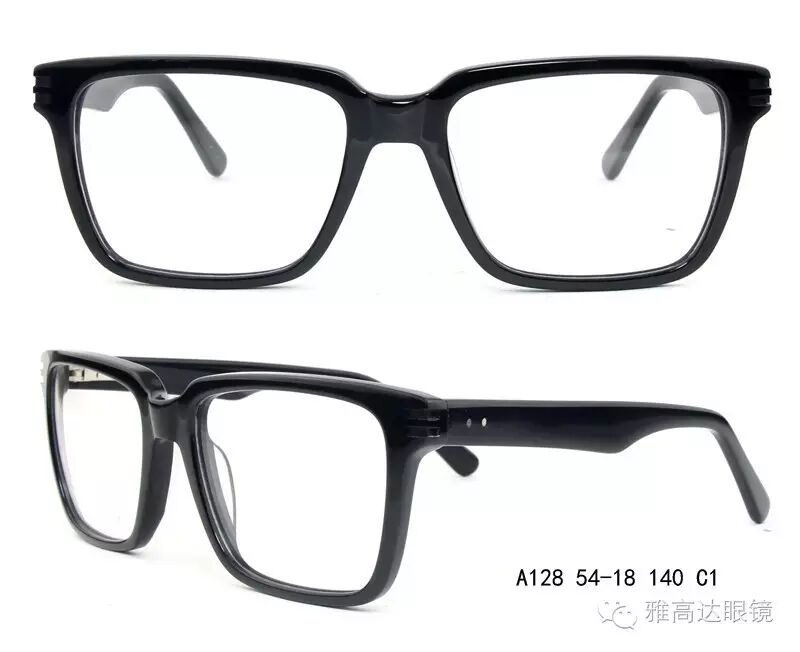
What Are Radiation Blocking Glasses?
Radiation blocking glasses are eyewear products designed to filter specific types of light or radiation, depending on their lens materials and coatings. In the consumer eyewear market, this term is frequently associated with blue light filtering glasses designed for digital screens.
Most computer monitors, smartphones, and LED displays emit visible light, including blue light. Blue light is part of the visible light spectrum, with relatively short wavelengths. Excessive exposure at night may affect sleep patterns, while prolonged screen use can contribute to digital eye strain.
Modern blue radiation glasses typically use specially formulated lens materials or optical coatings to selectively filter certain wavelengths of blue light while maintaining comfortable visible light transmission.
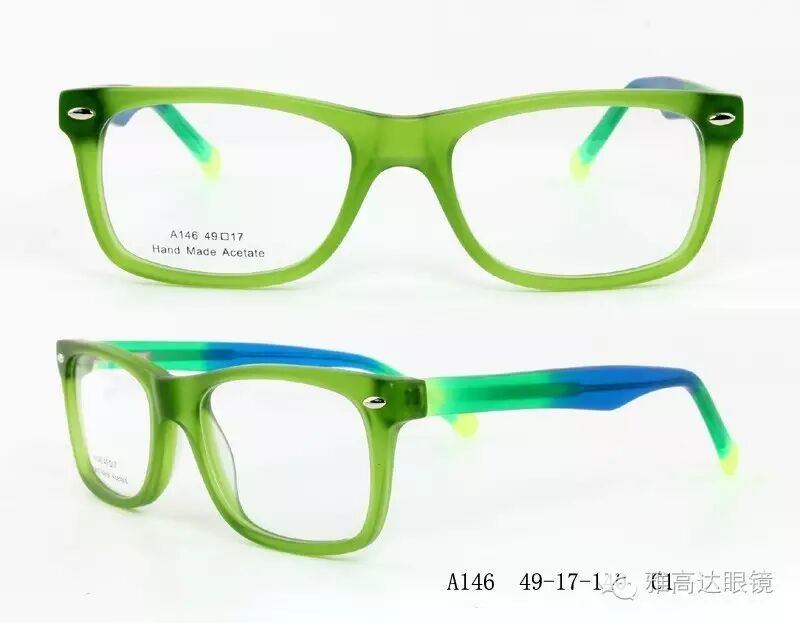
How Does Anti Blue Light Lens Technology Work?
The performance of anti blue light radiation glasses mainly depends on their lens materials and coating technology.
There are two common approaches:
1. Blue Light Absorption
Some lenses incorporate filtering materials that absorb selected blue light wavelengths. These lenses may have a slight yellow or amber tint, depending on their filtering characteristics.
2. Blue Light Reflection
Other lenses use specialized optical coatings to reflect a portion of blue light. These coatings can also provide anti-reflective properties, helping reduce unwanted reflections from indoor lighting and digital displays.
For buyers, it is important to evaluate actual spectral transmission data rather than relying solely on lens color or marketing claims.
Why Choose Screen Radiation Protection Glasses?
For people who work in front of computers for extended periods, screen radiation protection glasses can be considered as part of a comfortable screen-use setup.
When selecting suitable eyewear, consider several important factors:
Optical clarity: Lenses should provide clear vision without noticeable distortion.
Blue light filtering rate: Check the wavelength range and filtering percentage provided by the manufacturer.
Anti-reflective coating: Helps minimize distracting reflections.
UV protection: Look for verified UV400 protection when outdoor UV protection is required.
Frame comfort: Lightweight materials and ergonomic designs improve everyday wearing comfort.
Lens durability: Scratch-resistant coatings can help maintain long-term usability.
It is also worth remembering that blue light filtering glasses do not block all electromagnetic radiation and should not be marketed as protection against X-rays or other hazardous radiation without appropriate certification.
How to Identify Quality Anti Radiation Blue Light Glasses
When sourcing anti radiation blue light glasses, distributors and retailers should pay attention to more than appearance.
First, request lens spectral transmission reports to understand which wavelengths are filtered and how much visible light passes through the lenses.
Second, check the quality of lens coatings, including scratch resistance, anti-reflective performance, and coating consistency.
Third, evaluate frame materials, hinge durability, lens fitting accuracy, and overall product finishing.
For B2B buyers, manufacturers offering OEM and ODM services can provide additional value through customized frame designs, lens specifications, packaging, branding, and product collections for different target markets.
Final Thoughts
As digital lifestyles continue to expand, demand for functional eyewear is creating opportunities for eyewear brands, wholesalers, and optical retailers. Choosing reliable radiation blocking glasses requires a combination of optical performance, comfortable design, verified product specifications, and consistent manufacturing quality.
Whether developing a new blue light eyewear collection or sourcing products for retail distribution, working with an experienced eyewear manufacturer can help businesses meet different market requirements and build competitive product lines.