


OEM vs ODM Eyewear Manufacturing Which Is Right for Your Business
When sourcing eyewear from manufacturers, choosing the right production model is an important business decision. Some brands already have their own designs and technical specifications, while others prefer to select existing frame styles and customize them with their branding.
This is where OEM and ODM eyewear manufacturing come into consideration. Understanding the differences can help eyewear brands, wholesalers, and optical distributors choose a suitable cooperation model based on their product development resources, budget, and market strategy.
What Is OEM Eyewear Manufacturing?
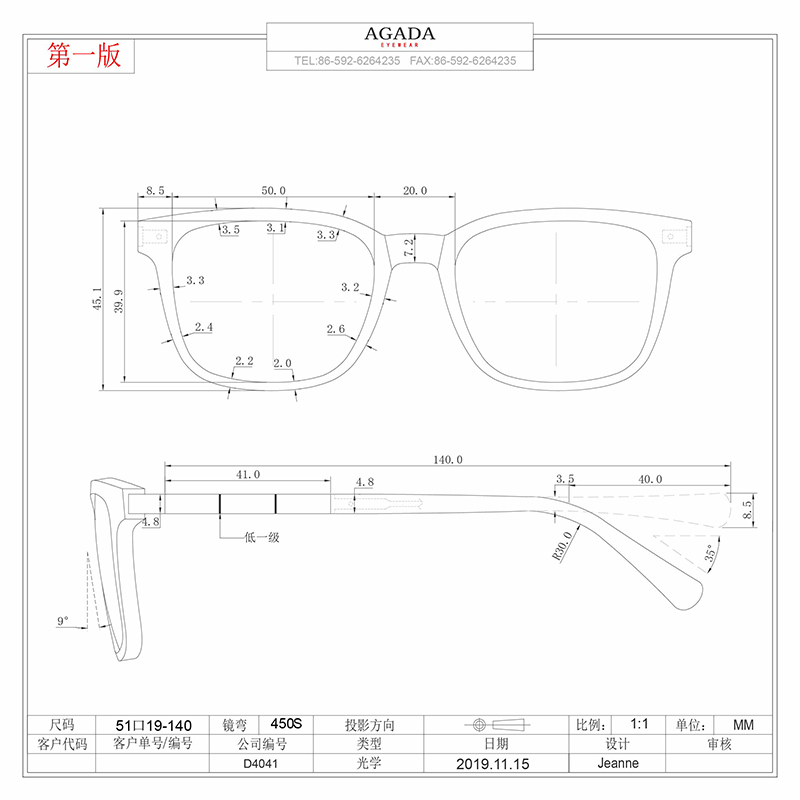
OEM stands for Original Equipment Manufacturing. In this model, the buyer provides the product concept, design, specifications, or reference samples, and the manufacturer produces eyewear according to the agreed requirements.
OEM is suitable for brands that want greater control over product appearance and specifications.
For example, a brand developing a new optical collection may provide frame drawings, dimensions, material preferences, color references, logo artwork, and packaging requirements. The manufacturer then evaluates the design, develops samples, and proceeds with production after approval.
OEM eyewear manufacturing is particularly suitable for businesses that:
Have an established brand identity and product direction
Need distinctive frame designs for their collections
Have in-house designers or product development teams
Require specific materials, dimensions, or construction details
Want greater control over product specifications
What Is ODM Eyewear Manufacturing?
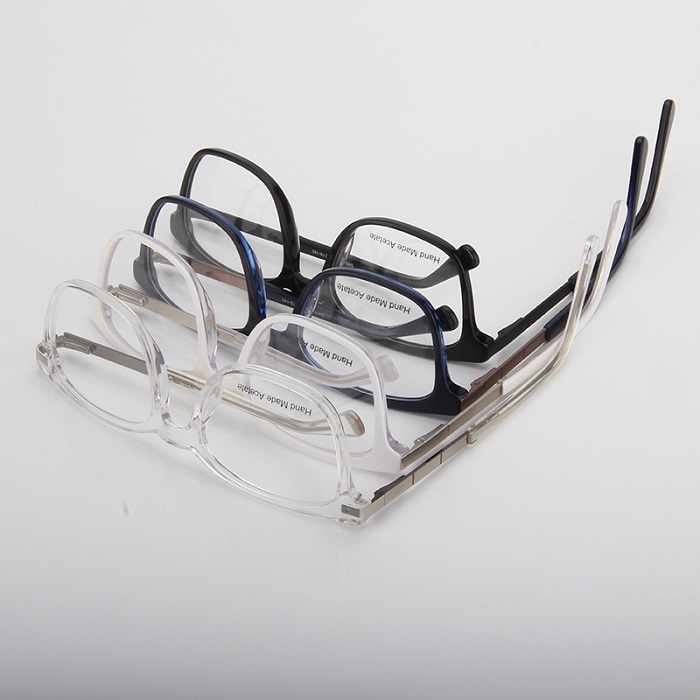
ODM stands for Original Design Manufacturing. In this model, the manufacturer provides existing product designs or development options that buyers can select and customize.
Instead of starting every product from an original design, buyers can choose suitable frame styles and discuss modifications such as colors, logos, materials, and packaging, depending on the manufacturer's capabilities.
ODM can be a practical option for businesses that want to develop an eyewear collection without managing every stage of original product design.
It is often suitable for:
New eyewear brands entering the market
Wholesalers expanding their product selections
Retailers developing private label collections
Buyers with limited in-house design resources
Businesses looking for a more streamlined product development process
OEM vs ODM Eyewear Manufacturing Key Differences
Both models can support private label eyewear projects, but they differ in how products are developed and how much design input the buyer provides.
| Comparison | OEM | ODM |
|---|---|---|
| Product design | Buyer provides design direction or specifications | Manufacturer offers existing designs or development options |
| Design control | Generally higher | Depends on available customization |
| Product development | May require more design coordination | Can begin with existing product styles |
| Customization | Based on agreed technical requirements | Often focuses on selected modifications |
| Brand differentiation | More control over unique product features | Depends on design availability and customization |
| Best suited for | Established brands and customized projects | Startups, wholesalers, and retailers |
The actual development time, cost, and minimum order quantity depend on the product design, materials, customization requirements, and manufacturer's production arrangements. Buyers should confirm these details before placing an order.
Which Eyewear Categories Can You Develop Through OEM or ODM?
The right cooperation model also depends on the type of eyewear you want to sell. Different product categories have different design and technical requirements.
Classic Eyeglasses
Classic styles are suitable for everyday optical collections. Buyers can develop custom frame shapes, colors, materials, and branding through OEM, or select suitable existing designs through ODM.
Fashion Eyeglasses
Fashion eyewear often requires attention to frame proportions, color combinations, decorative details, and seasonal trends. OEM offers more opportunities for distinctive designs, while ODM can help buyers build collections from available styles.
Sport Eyeglasses
Sport eyewear requires consideration of frame stability, fit, material properties, and intended application. Buyers should communicate the target sport or use environment clearly so that the manufacturer can evaluate the design requirements.
Kids Optical Frame
Children's optical frames require particular attention to sizing, fit, comfort, and product safety requirements. Buyers should confirm the relevant specifications and compliance documentation for their target markets.
Kids Sunglasses
Children's sunglasses combine frame design with lens requirements. Buyers should clarify lens specifications, UV protection claims, and applicable testing requirements before confirming production.
How to Choose the Right Manufacturing Model
Before selecting OEM or ODM, consider your current business stage and product development capabilities.
Choose OEM if you already have product designs, technical drawings, or a clear concept that requires customized development. This model gives you greater input into the final product.
Choose ODM if you want to start with existing frame designs and focus on branding, product selection, and market distribution. It can simplify the early development process, although the available customization options should be confirmed.
Some businesses also combine both models. For example, a brand may use ODM designs to build its initial collection while developing exclusive OEM products for future releases.
This approach can help balance product variety, development resources, and brand differentiation.
Work with AGADA for Your Eyewear Manufacturing Project
Choosing between OEM and ODM is not simply a question of which model is better. The right choice depends on your product strategy, target customers, customization requirements, and long-term business goals.
AGADA Eyeglasses supports OEM/ODM cooperation for international eyewear buyers. Whether you are developing Classic Eyeglasses, Fashion Eyeglasses, Sport Eyeglasses, Kids Optical Frame, or Kids Sunglasses, defining your requirements clearly is the first step toward a successful project.
Share your product ideas, reference samples, or customization requirements with AGADA to discuss a suitable eyewear development solution for your brand.