


What American Eyewear Brands Look for in Acetate Frames
For American eyewear brands, choosing an acetate frame manufacturer involves more than finding an attractive design. Buyers need frames that combine visual appeal, reliable construction, comfortable fitting, and consistent quality across bulk orders.
Whether a brand targets independent optical stores, fashion retailers, or online customers, the right acetate frame collection should reflect its market positioning and customer expectations. Understanding these priorities helps manufacturers develop products that are commercially suitable for the US eyewear market.
1. Material Quality and Consistent Appearance
Acetate is a popular material in the US eyewear market because it offers flexibility in colors, patterns, and frame designs. According to The Vision Council's 2024 consumer research, acetate was the most preferred frame material among surveyed US consumers, selected by 48% of respondents.
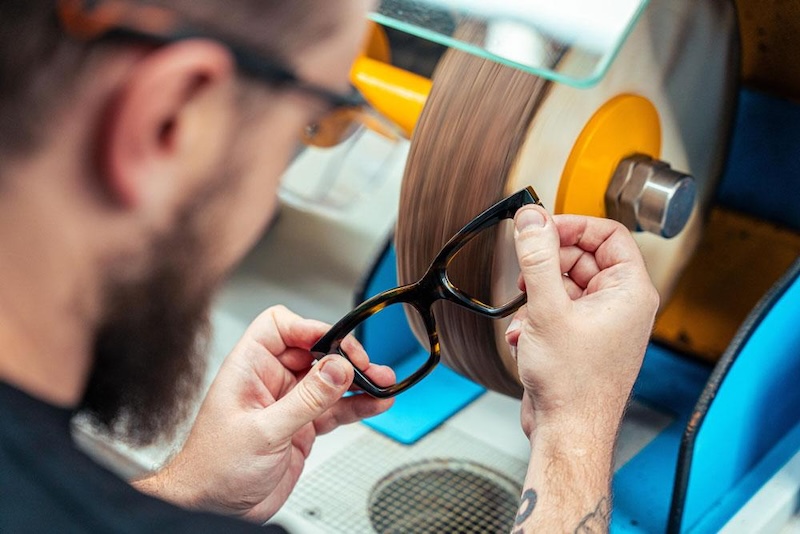
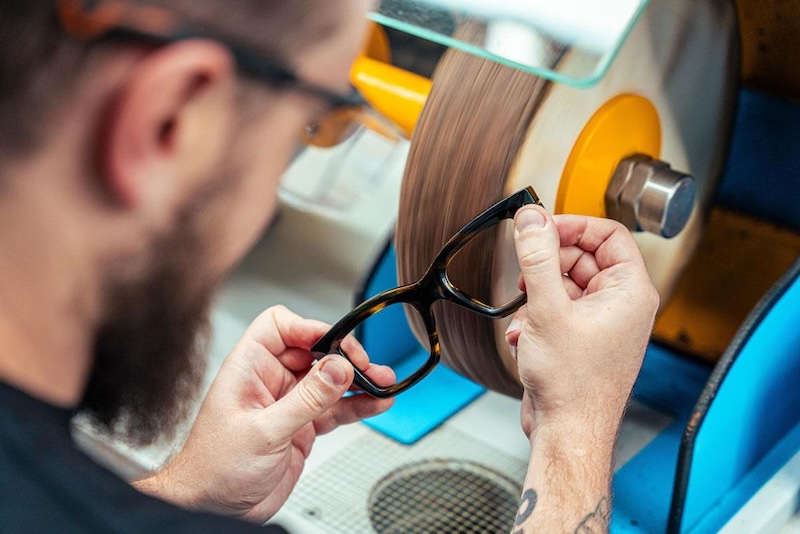
American brands may look for consistent material appearance, attractive color combinations, and reliable finishing. Buyers should examine whether the acetate has an even surface, consistent patterns, and properly polished edges.
For Classic Eyeglasses, black, tortoiseshell, and transparent finishes can provide versatile options for everyday collections. Material selection should also match the intended price positioning.
2. Frame Design That Matches Different Customer Segments
US eyewear brands serve customers with different preferences. Some prioritize timeless designs, while others want distinctive shapes and seasonal colors.
Fashion Eyeglasses can feature bold silhouettes, transparent colors, layered patterns, and customized details. However, buyers should balance trend-driven designs with commercially practical styles.
For Sport Eyeglasses, brands should consider frame stability, fit, weight, and compatibility with the intended lenses. If products are marketed for protective applications, the relevant performance standards and test documentation must be confirmed.
3. Comfortable Fit and Reliable Construction
A visually attractive frame must also perform well during everyday use. Buyers should check bridge dimensions, temple length, frame width, hinge movement, and overall balance.
The frame should maintain its intended shape, with properly aligned temples and secure component connections. Surface finishing should be smooth, without rough edges or visible manufacturing defects.
These details are important for both premium and mid-market collections because product quality influences customer satisfaction and retail reputation.
4. Children's Frames Require Additional Attention
Brands developing Kids Optical Frame collections should consider age-appropriate sizing, comfortable fitting, lightweight construction, and suitable frame durability.
For Kids Sunglasses, buyers should also confirm lens specifications, UV protection, and applicable US product safety requirements. Children's products should be evaluated according to their intended age group and use.
Manufacturers should receive clear product specifications before sample development so that frame dimensions, materials, and other details can be reviewed properly.
5. Customization and Private Label Support
Many eyewear brands want products that reflect their own identity rather than simply selecting standard designs.
Customization may involve acetate colors, frame shapes, logo placement, temple details, packaging, and product labels. Buyers should provide reference images, technical drawings, and logo artwork to help the manufacturer understand the project.
A confirmed sample should serve as the reference for material appearance, dimensions, finishing, and assembly before bulk production.
6. Consistent Quality and Reliable Supplier Communication
For American buyers, supplier selection also involves evaluating production consistency and communication. The manufacturer should be able to clarify product specifications, sample revisions, inspection requirements, and customization details.
The Vision Council's research on optical frame buyers found that product quality was the leading inventory selection factor for 80% of surveyed eyecare professionals, followed by price and fashion trends.
For AGADA Eyeglasses, this creates an opportunity to discuss customized acetate frame development with brands, importers, and wholesalers seeking OEM or ODM cooperation.
If you are developing an eyewear collection for the US market, share your preferred frame styles, acetate colors, reference samples, logo requirements, and estimated order quantities to discuss suitable product development options.