


Quality Inspection
Eyewear Quality Inspection and Quality Control
Quality Control for Consistent Eyewear Manufacturing
Product consistency is essential for eyewear brands, importers, wholesalers, and retailers. Differences in frame dimensions, surface finishing, hinge assembly, or lens specifications can affect the final product and customer experience.
At AGADA Eyeglasses, quality inspection is an important part of the eyewear manufacturing process. We focus on checking products against confirmed specifications and approved samples to help maintain consistency throughout production.
From material and component checks to finished-product inspection, clear quality requirements provide a foundation for reliable eyewear manufacturing.
1. Material and Component Inspection
Material selection and component consistency influence the appearance, structure, and performance of finished eyewear.
Before production, important considerations include:
Frame material specifications
Material color and appearance
Component dimensions
Surface condition
Consistency with approved product requirements
Checking materials and components against confirmed specifications helps reduce differences during manufacturing.

2. Eyeglass Frame Appearance Inspection
Frame appearance is one of the first things buyers evaluate when receiving eyewear samples or bulk orders.
Inspection points may include:
Surface scratches and visible defects
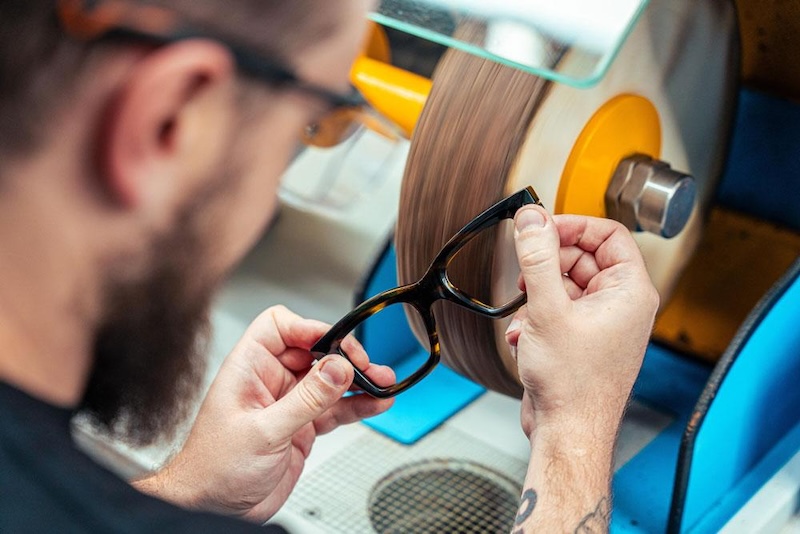
Frame polishing and smoothness
Edge finishing and frame contours
Color and pattern consistency
Frame symmetry and shape
Logo position and appearance
For acetate frames, particular attention should be given to polishing, color distribution, transparency, and edge finishing.
3. Hinge and Assembly Quality Inspection
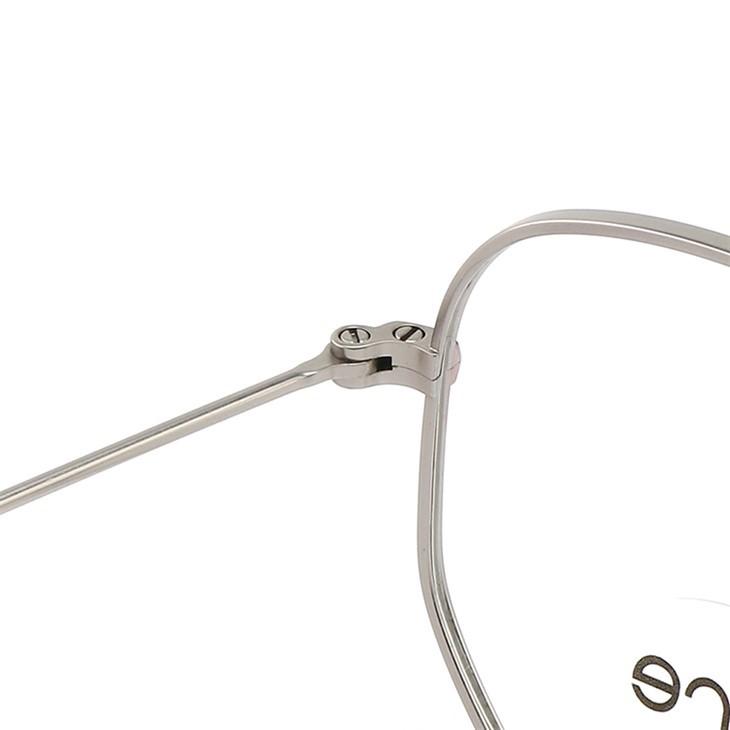
Hinges connect the front frame with the temples and influence how the eyewear opens, closes, and fits.
Important inspection points include:
Hinge alignment
Screw installation and stability
Temple opening and closing
Left and right temple symmetry
Component connections
Visible gaps or assembly defects
Repeated opening and closing can be included in functional checks according to the agreed inspection requirements. Specific testing cycles and acceptance criteria should be confirmed for each product project.
4. Lens and Optical Product Inspection
Lens quality should be evaluated according to the agreed product specifications and intended application.
Inspection requirements may include:
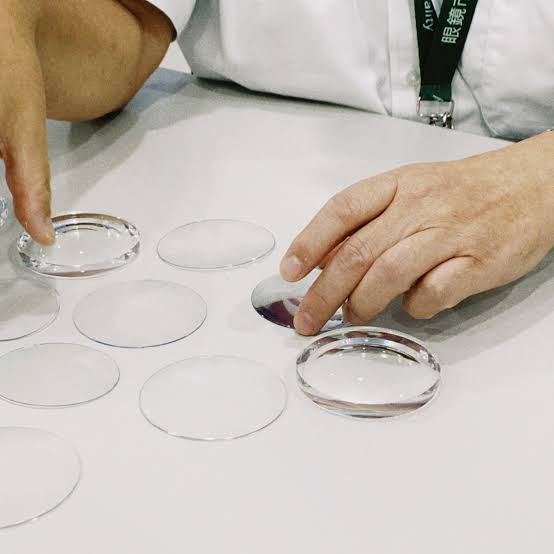
Lens appearance and visible surface defects
Lens fitting and positioning
Lens color and tint consistency
Agreed optical specifications
UV protection requirements for sunglasses
Applicable impact-resistance or other testing requirements
Different lens properties require different testing methods. For example, UV protection, optical quality, scratch resistance, and impact resistance should not be treated as interchangeable performance claims.
For products intended for specific markets or applications, buyers should confirm the applicable standards and supporting test documentation before production approval.
5. Finished Product Inspection
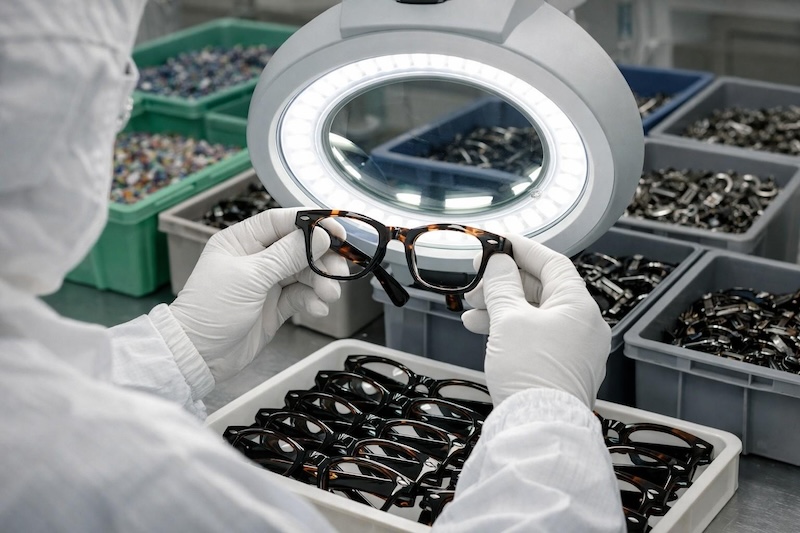
Finished-product inspection helps identify visible defects and specification differences before shipment.
Depending on the order requirements, checks may cover:
Overall frame appearance
Frame dimensions and symmetry
Hinge and temple assembly
Lens condition and fitting
Logo and branding details
Accessories and packaging
Product quantity and order specifications
Inspection methods and acceptance criteria should be agreed upon with the buyer before bulk production.
6. Quality Consistency Between Samples and Bulk Production
An approved sample provides an important reference for mass production.
To reduce differences between samples and delivered products, buyers and manufacturers should confirm key specifications before production begins.
These may include:
Approved frame design and dimensions
Material and color references
Lens specifications
Surface finishing requirements
Hinge and assembly details
Logo and packaging specifications
Acceptable defect limits and inspection methods
If any product specification changes after sample approval, the changes should be documented and confirmed before implementation.
7. Quality Requirements for Different Eyewear Categories
Different eyewear products require different inspection priorities.
Classic Eyeglasses
Focus on frame dimensions, symmetry, surface finishing, hinge stability, and lens fitting.
Fashion Eyeglasses
Pay attention to frame appearance, color consistency, decorative details, polishing, and logo presentation.
Sport Eyeglasses
Check frame structure, temple stability, lens fitting, and any additional requirements associated with the intended sporting application.
Kids Optical Frame
Pay particular attention to smooth edges, frame dimensions, secure components, and age-appropriate product requirements.
Kids Sunglasses
Check lens fitting, frame construction, UV specifications, and applicable children's product safety requirements.
Build Confidence in Your Eyewear Supply Chain
At AGADA Eyeglasses, we understand that consistent product quality is important for long-term cooperation with international eyewear brands and distributors.
By confirming product specifications, using approved samples as references, and establishing inspection requirements before production, buyers can better manage product quality throughout the manufacturing process.
Looking for an eyewear manufacturer for your next collection?
Send us your product specifications, reference samples, and quality requirements. Our team can discuss suitable manufacturing and inspection arrangements for your project.
Contact AGADA Eyeglasses to discuss your eyewear quality requirements.