


How to Develop a Consistent Eyewear Collection for Your Brand
For eyewear brands and private label businesses, launching a new collection involves more than selecting several attractive frames. Each product should contribute to a consistent brand identity while offering enough variety to appeal to different customer preferences.
A well-planned collection can include classic, fashion, sport, and children's eyewear. However, these categories should not feel like unrelated products. Design direction, color selection, material choices, and product presentation all influence how customers recognize a brand.
Here are several practical considerations when developing an eyewear collection with a manufacturing partner.
1. Establish a Clear Design Direction
Before selecting individual frames, define the overall style of the collection. Consider whether your brand focuses on minimal everyday eyewear, contemporary fashion, outdoor lifestyles, or family-oriented products.
This direction helps guide frame shapes, color palettes, material choices, and decorative details.
For example, a brand focused on understated everyday styles may prioritize clean lines and neutral colors in its Classic Eyeglasses range. A fashion-oriented collection may include more distinctive silhouettes and color combinations.
A clear design direction also makes it easier to evaluate new product proposals.
2. Create Variety Without Losing Brand Identity
A collection needs enough variety to serve different customer preferences, but too many unrelated designs can make the product range difficult to manage.
For Fashion Eyeglasses, buyers can explore different frame shapes while maintaining a consistent approach to colors, logo placement, and finishing details.
For Sport Eyeglasses, the design direction can reflect an active lifestyle through frame proportions and structural details. Buyers should distinguish fashion-oriented sports styles from products intended for specific protective applications.
The objective is to create recognizable differences between product categories without losing the overall identity of the brand.
3. Plan Children's Products as a Separate Collection
Children's eyewear requires its own product development considerations.
A Kids Optical Frame collection should be planned around appropriate frame dimensions, age groups, materials, and everyday wearing requirements. Buyers should evaluate fit and construction through physical samples rather than relying on product images alone.
For Kids Sunglasses, lens specifications and UV protection performance also need to be defined. Buyers should request relevant test documentation and confirm applicable requirements in their destination markets.
Although children's products can complement an adult eyewear range, their design and quality requirements should be reviewed separately.
4. Use Sample Development to Refine the Collection
Once the product direction is established, sample development helps buyers evaluate whether the proposed designs meet their expectations.
During sample review, consider:
Frame shape and overall proportions
Material appearance, color, and surface finishing
Frame dimensions and wearing fit
Hinge construction and temple alignment
Logo position and decorative details
Lens specifications, where applicable
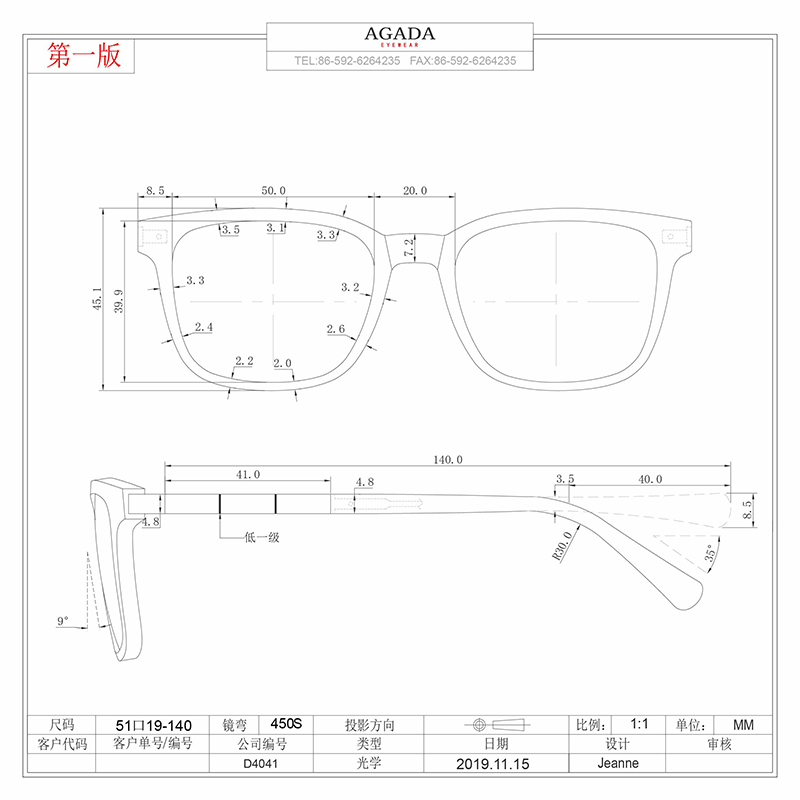
If adjustments are required, record them clearly with reference photos, measurements, or updated drawings.
For private label projects, approved samples should serve as a reference for subsequent bulk production. This helps reduce differences between the confirmed design and the finished order.
5. Coordinate Branding and Packaging Across the Range
A consistent collection should also have a coordinated presentation.
Buyers can consider using consistent logo treatments, packaging styles, product labels, and color schemes across different product categories. The exact packaging can vary according to the product type and retail channel, but the overall brand identity should remain recognizable.
Before production, confirm artwork, logo dimensions, packaging materials, labeling information, and quantities for each style.
Work with a Manufacturer on Your Next Collection
Developing a complete eyewear collection requires coordination between product design, material selection, sample approval, and production requirements.
AGADA Eyeglasses supports OEM and ODM discussions for buyers developing custom eyewear collections. Whether you are planning classic frames, fashion styles, sport eyewear, or children's products, providing your design references, target customer profile, and estimated quantities can help establish a clearer development plan.
A consistent eyewear collection is built through careful product planning and clear communication at every stage of development.