


How to Select Eyewear Products for Different Sales Channels
Choosing the right eyewear products is not only about following fashion trends. For eyewear brands, importers, and wholesalers, product selection should also reflect the sales channel, target customers, and purchasing habits of the market.
An optical retailer may prioritize prescription frame options, while a fashion retailer may focus more on appearance and seasonal collections. Online stores often need a broader range of styles to serve different customer preferences.
Understanding these differences helps buyers build a more suitable product portfolio and make better sourcing decisions.
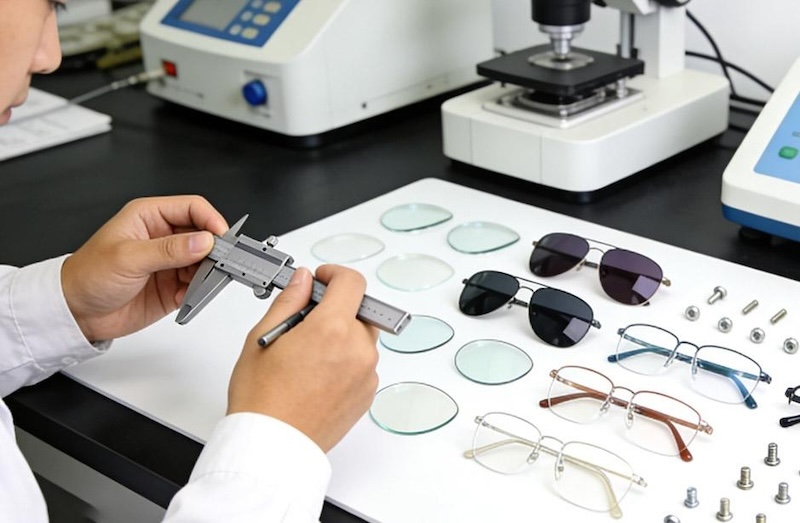
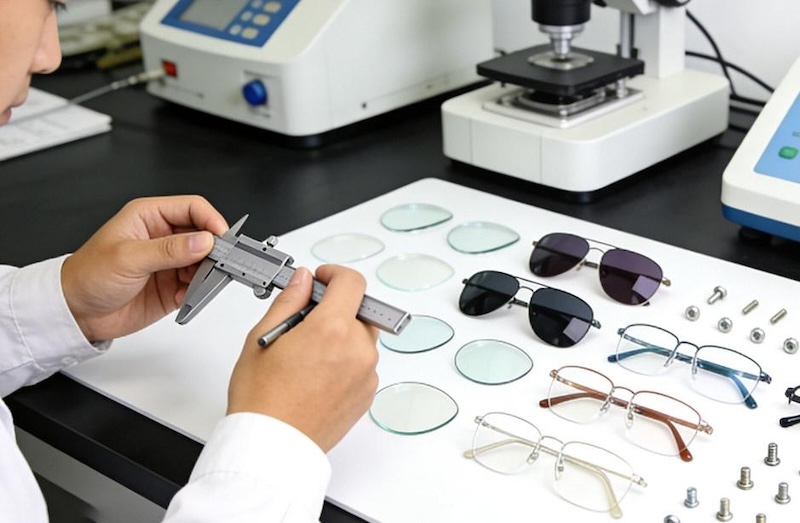
1. Classic Eyeglasses for Optical Stores and Everyday Collections
Optical stores and professional eyewear retailers often need products that can serve a wide range of customers. Classic Eyeglasses are a practical category for building a core collection because their designs are generally suitable for everyday wear.
When selecting this category, buyers can consider different frame shapes, sizes, materials, and color options. Offering a balanced selection of metal and plastic frames can also help retailers serve customers with different style preferences and budgets.
For wholesale buyers, consistent specifications and repeat-order availability are important points to discuss with manufacturers.
2. Fashion Eyeglasses for Fashion Retailers and Online Stores
Fashion Eyeglasses are suitable for retailers that want to offer more design variety and respond to changing consumer preferences.
Buyers can develop collections around different design directions, such as oversized frames, geometric shapes, transparent colors, or vintage-inspired styles. Seasonal colors and distinctive temple details can also help create visual differences between product ranges.
For private label brands, it is useful to plan several coordinated styles rather than sourcing unrelated designs. A consistent design direction can make product photography, merchandising, and brand presentation easier.
3. Sport Eyeglasses for Outdoor and Active-Lifestyle Markets
Sport Eyeglasses can serve retailers specializing in outdoor activities, sports-inspired fashion, and active lifestyles.
Before sourcing, buyers should identify the intended customer group and product purpose. Casual sports-style optical frames, for example, have different requirements from eyewear designed for specific sporting activities.
Frame stability, weight, temple structure, and nose support are worth considering during product selection. If the product is intended to provide protective performance, buyers should separately confirm the relevant standards and supporting test documentation.
4. Kids Optical Frame for Children's Optical Retail
Kids Optical Frame collections are relevant to optical retailers and distributors serving children and their families.
Product selection should consider age groups, face proportions, frame dimensions, and ease of handling. Buyers may also consider different colors and shapes to provide more choices for children while maintaining practical requirements for everyday optical use.
For this category, importers should confirm applicable children's product requirements in their destination markets before finalizing product specifications and orders.
5. Kids Sunglasses for Seasonal and Lifestyle Retail
Kids Sunglasses can complement children's optical collections, particularly for retailers selling seasonal accessories and outdoor lifestyle products.
Buyers should evaluate frame fit, lens specifications, color options, and product presentation. UV protection performance should be verified through appropriate testing and documentation. Lens darkness alone does not establish the level of UV protection.
Packaging and labeling should also be reviewed according to the requirements of the intended market.
Build a Product Portfolio Around Your Customers
A successful eyewear collection does not necessarily need every style in large quantities. Buyers should first understand their main sales channels, customer groups, price positioning, and expected demand.
A practical sourcing plan may combine classic frames for core demand, fashion styles for design variety, sport frames for specific customer groups, and children's products for specialized retail needs.
AGADA Eyeglasses works with buyers exploring eyewear product development and OEM or ODM projects. Share your target market, preferred styles, reference designs, and estimated order quantities to discuss suitable product options.
The right product mix starts with a clear understanding of who will buy the eyewear and where it will be sold.