


How to Maintain Eyewear Quality Consistency in Bulk Orders
For eyewear importers, wholesalers, and private label brands, approving a sample is only one part of the purchasing process. The next challenge is ensuring that bulk-produced products remain consistent with the approved sample.
This becomes particularly important when an order includes multiple styles, colors, or product categories. Differences in frame dimensions, surface finishing, hinge assembly, logo placement, and packaging can affect the overall quality of a shipment.
A clear quality control plan helps buyers and manufacturers establish consistent expectations before production begins.
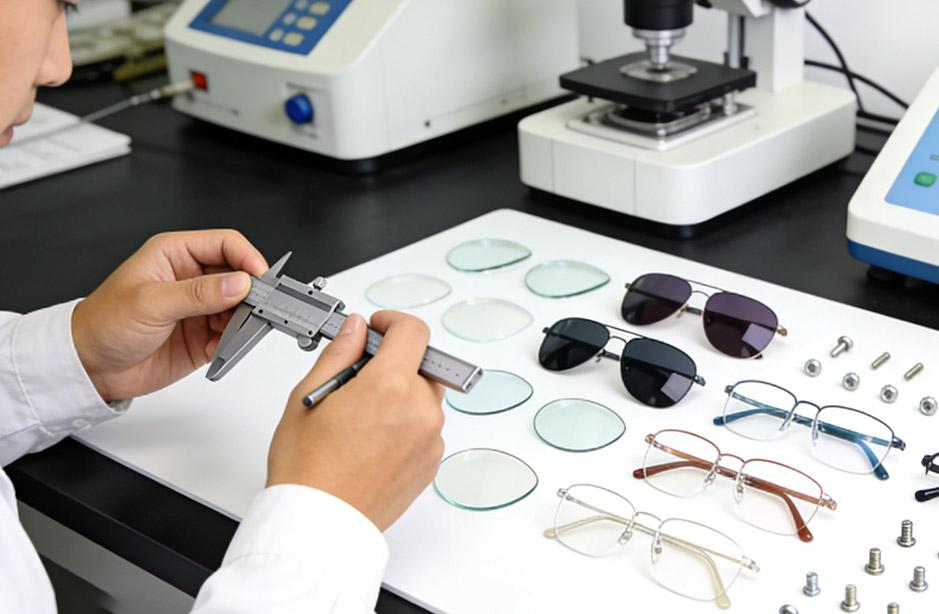
1. Use Approved Samples as Production References
Before bulk manufacturing starts, buyers should confirm the final sample for each product style.
The approved sample should represent the agreed design, material, color, dimensions, logo details, and other important specifications. If different colors or material combinations are included in an order, buyers should confirm whether separate samples or color references are required.
Keeping approved samples and specification records helps both parties evaluate production results against the same reference.
2. Define Acceptable Frame Dimensions
Small dimensional differences can affect the appearance and fit of eyewear.
Buyers should identify the key measurements for each model, such as lens width, bridge width, temple length, frame front width, and lens height.
For Classic Eyeglasses and Fashion Eyeglasses, consistent proportions and frame alignment are important for maintaining the intended appearance.
For Sport Eyeglasses, buyers may also need to pay attention to the relationship between the frame structure, temple design, and nose support.
Rather than relying on general descriptions such as small, medium, or large, buyers should provide measurable specifications and agreed tolerances.
3. Check Material and Surface Finishing
Material appearance should be consistent across products within the same model and color specification.
During inspection, buyers can review:
Color differences between frames
Surface scratches, stains, or visible defects
Edge finishing and polishing quality
Frame symmetry and alignment
Decorative components and metal details
For acetate or transparent frames, color patterns and visual appearance may require particular attention. Buyers should clarify acceptable natural variations in advance, especially when working with patterned materials.
4. Inspect Hinges and Frame Assembly
Hinges and frame connections influence product assembly quality and everyday handling.
Inspection can include checking whether temples open and close smoothly, whether screws and hinge components are properly assembled, and whether the temples align correctly when the frame is folded.
Buyers should establish inspection criteria according to the frame design. If hinge durability testing is required, the test method, cycle count, and acceptance criteria should be agreed upon before production.
5. Apply Additional Checks to Children's Eyewear
Children's products require attention to their specific design and market requirements.
For Kids Optical Frame, buyers should review frame dimensions, edge finishing, hinge assembly, and suitability for the intended age group.
For Kids Sunglasses, lens specifications and UV protection performance should also be checked against the approved requirements. Buyers should request relevant test documentation and confirm applicable regulations in the destination market.
These checks should be defined separately rather than using exactly the same inspection criteria for every eyewear category.
6. Check Logo, Packaging, and Final Shipment Details
Product consistency also includes branding and packaging.
Before shipment, buyers should confirm that logo positions, printing quality, labels, accessories, and packaging match the approved artwork and order specifications.
For multi-style orders, it is useful to maintain a packing list that identifies each model, color, quantity, and packaging configuration. This makes receiving inspections and warehouse management easier.
Establish Clear Inspection Criteria Before Production
A reliable bulk order starts with clear communication. Buyers should confirm product specifications, approved samples, acceptable defect levels, inspection methods, and packaging requirements before manufacturing begins.
At AGADA Eyeglasses, buyers can discuss their OEM and ODM requirements with reference designs, product specifications, and expected order quantities.
Whether sourcing classic, fashion, sport, or children's eyewear, a documented quality plan helps both buyers and manufacturers work toward consistent production results.