


What Should Buyers Specify When Sourcing Different Eyewear Styles?
When sourcing eyewear for a retail brand, optical store, or wholesale business, selecting attractive designs is only the first step. Buyers also need to define product specifications clearly before requesting samples or placing bulk orders.
Different eyewear categories have different requirements. A frame designed for everyday optical use may not need the same structural details as a sports frame or children's sunglasses. Preparing a clear specification sheet helps buyers communicate with manufacturers, compare quotations, and reduce misunderstandings during product development.
Here are five important areas to consider when sourcing different eyewear styles.
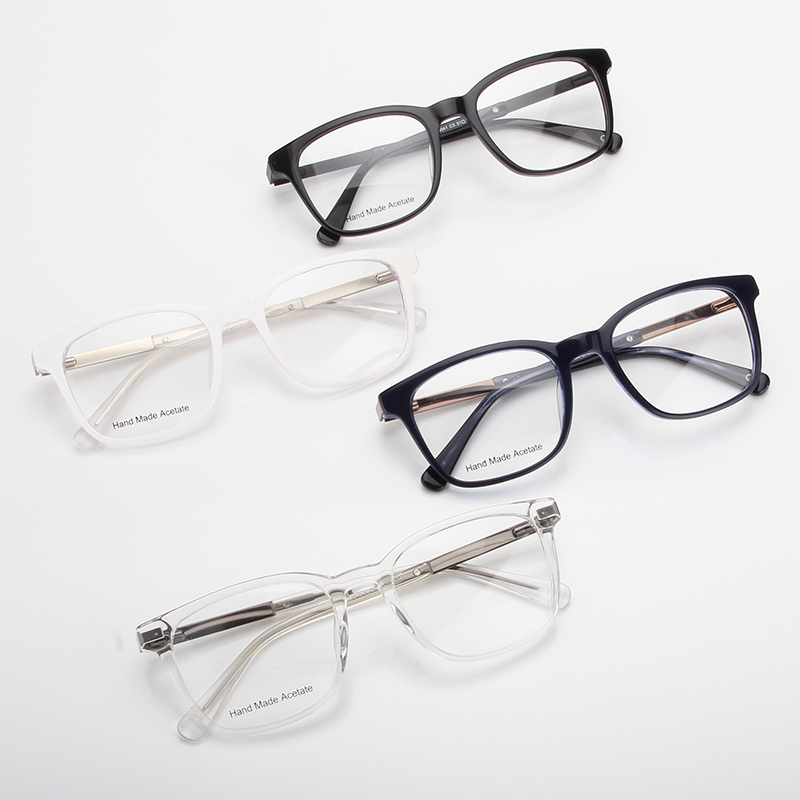
1. Classic Eyeglasses: Focus on Fit and Everyday Wearability
For Classic Eyeglasses, buyers should pay attention to frame dimensions, bridge design, temple length, and overall proportions. These details influence how the frame fits different face shapes and whether it is suitable for everyday use.
Material selection is another important consideration. Buyers should specify the preferred frame material, thickness, color, and surface finish. If the collection targets optical retailers, compatibility with the intended prescription lenses should also be discussed.
2. Fashion Eyeglasses: Define Design and Appearance Details
For Fashion Eyeglasses, visual consistency is often a key purchasing requirement. Buyers should provide reference images, drawings, or samples to communicate the intended shape, color combination, frame thickness, and decorative details.
Logo placement, metal accents, temple patterns, and surface finishes should be clearly documented. For private label projects, buyers should also confirm whether the design requires exclusive colors, customized components, or branded packaging.
These details help manufacturers understand the design expectations before sample development.
3. Sport Eyeglasses: Specify Structure and Intended Use
When sourcing Sport Eyeglasses, buyers should first define the intended activity and target customer group. Frames designed for casual outdoor use may have different requirements from products intended for cycling, running, or other active environments.
Important specifications include frame weight, temple design, nose support, lens shape, and frame flexibility. Buyers should also clarify whether the product is an optical frame or a complete sports eyewear product with lenses.
If impact protection or other protective performance is required, the applicable product classification and testing standards should be confirmed separately. Ordinary sport-style frames should not automatically be treated as certified protective eyewear.
4. Kids Optical Frame: Check Size and Construction
For Kids Optical Frame collections, frame dimensions should match the intended age group and face proportions. Buyers should specify lens width, bridge width, temple length, frame weight, and preferred materials.
The hinge structure, temple design, and edge finishing also deserve attention. These details affect product construction and everyday handling.
Importers should identify the destination market and confirm the applicable requirements for children's eyewear before approving production.
5. Kids Sunglasses: Confirm Lens and Market Requirements
When developing Kids Sunglasses, buyers need to consider both frame design and lens specifications.
Clearly define the required lens material, color, UV protection performance, lens category, and intended use. UV protection claims should be supported by appropriate test documentation rather than appearance or lens darkness alone.
Packaging and labeling requirements should also be checked against the regulations of the destination market.
Prepare a Clear Specification Sheet Before Ordering
Regardless of the product category, a useful eyewear specification sheet should include:
Product drawings, reference photos, or physical samples
Frame dimensions and material requirements
Color references and surface finishing details
Hinge, temple, and nose support requirements
Lens specifications, if applicable
Logo position and packaging requirements
Target order quantity and destination market
At AGADA Eyeglasses, buyers can discuss product details and OEM or ODM requirements based on their designs, reference samples, and target market needs.
A well-prepared specification sheet makes communication more efficient and provides a clearer reference for sample approval and bulk production. Contact AGADA with your eyewear requirements to discuss your next sourcing project.